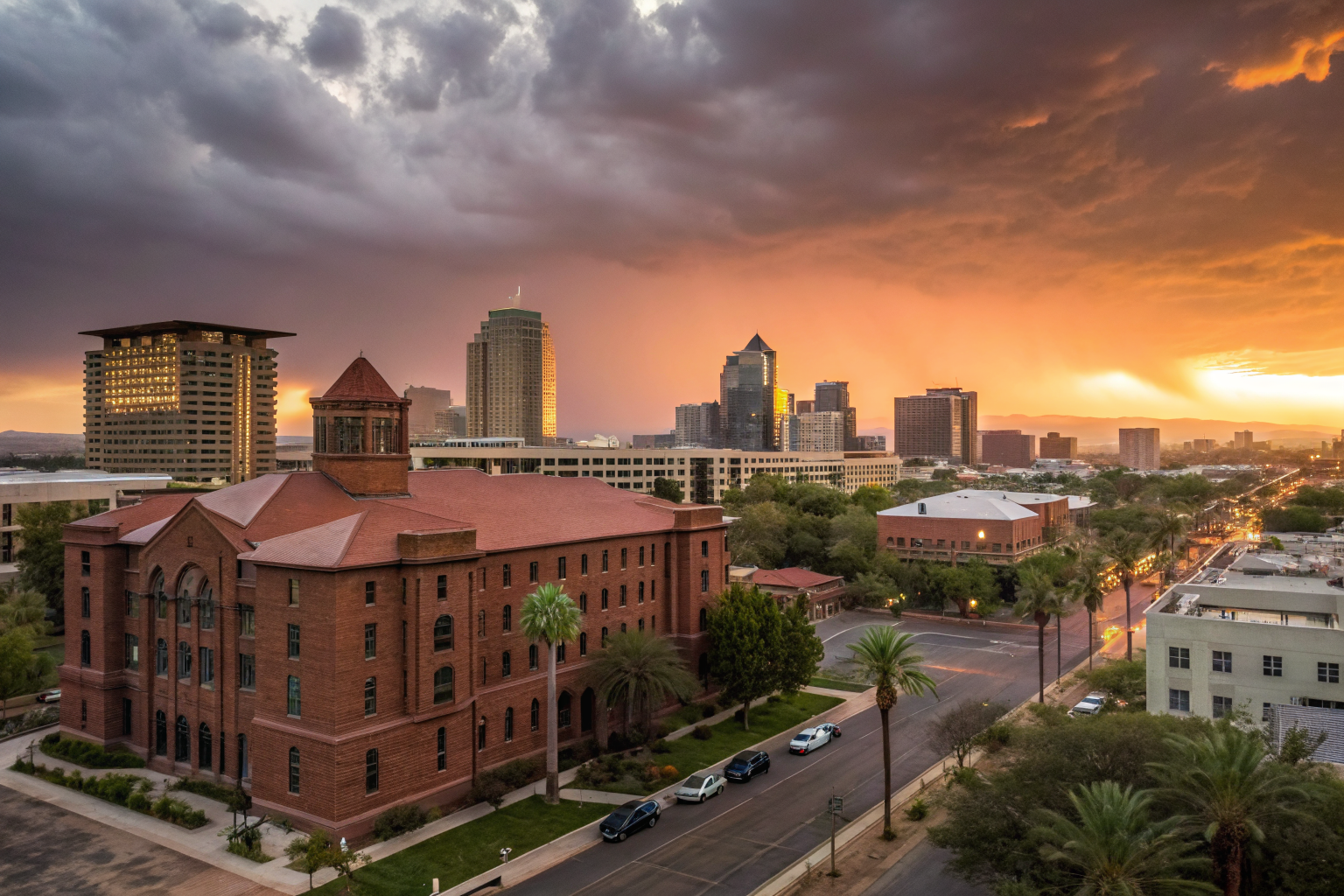
Insurance agency Tempe AZ searches often come from homeowners who bought near ASU and never updated their policy when their property’s use changed. As of 2025, Tempe’s residential streets mix owner-occupiers, student-rental landlords, and Airbnb hosts, three coverage categories, three different policy forms, often on the same block.
Key Takeaways:
- A standard HO-3 policy voids coverage the moment you rent to ASU students full-time, a DP-3 landlord policy is required, and most Tempe owners don’t make the switch until a claim is denied.
- Tempe’s STR hosts face dual exposure: AirCover is not a landlord policy, and Tempe city code requires STR operators to carry liability coverage meeting specific minimums under Title 5 of the Tempe City Code.
- Renters in Tempe student-housing pay as little as $10–$20/month for contents and liability coverage, yet fewer than half of student renters nationwide carry any renters insurance, according to the Insurance Information Institute.
What Makes Tempe’s Insurance Market Different From the Rest of the Phoenix Metro?
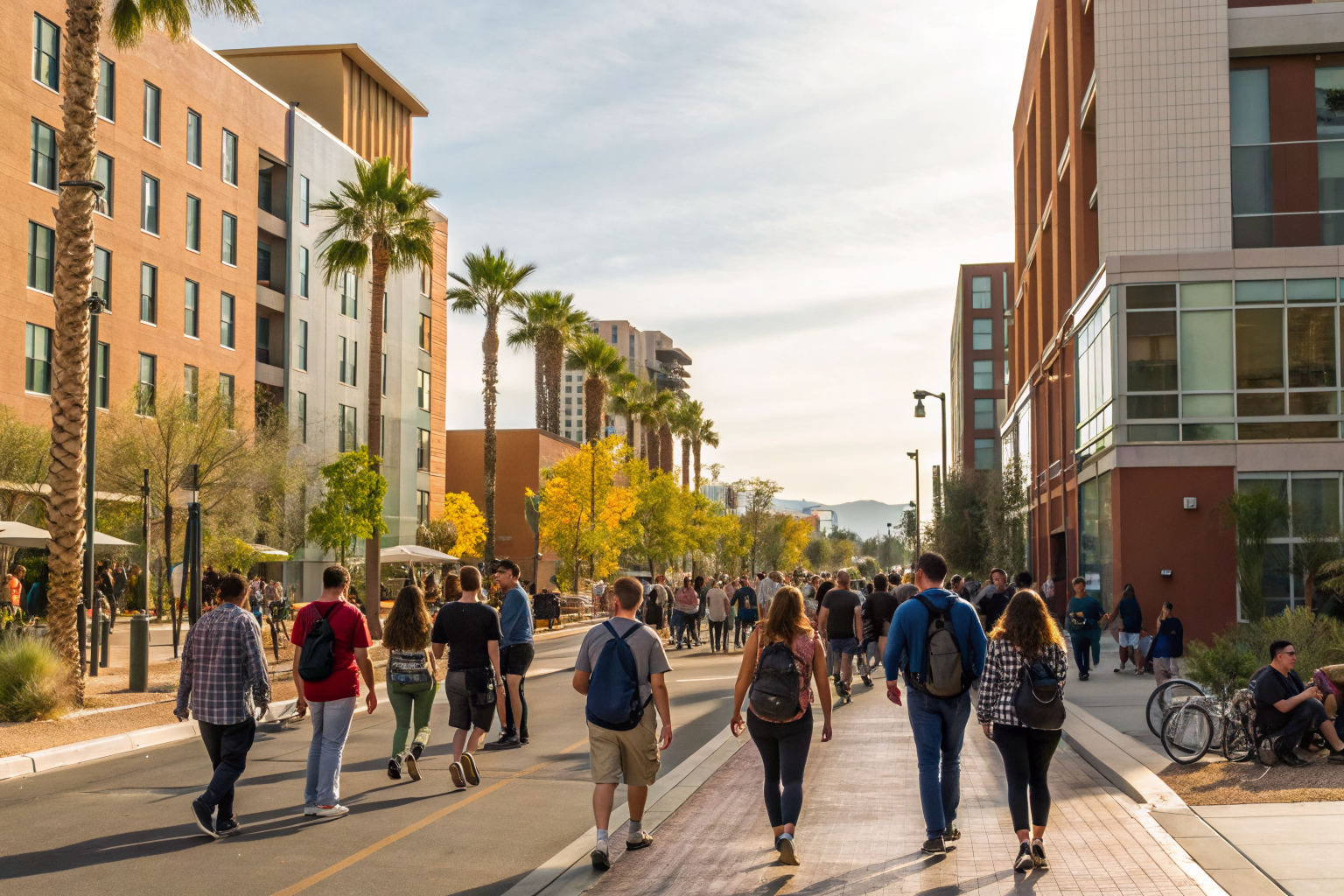
Tempe’s mixed-use residential market is a product of one number: Arizona State University’s Tempe campus enrollment exceeds 60,000 students, per ASU institutional data, making it one of the largest single-campus enrollments in the United States. That enrollment density drives a rental-to-owner-occupier ratio unmatched anywhere else in the East Valley suburb cluster.
A standard-use residential block in Gilbert or Chandler is almost entirely owner-occupied single-family homes. A block near ASU’s main campus in Tempe can include a family who bought in 1998, a landlord renting to four college students, and a host running a rotating Airbnb. Each property looks the same from the street. Each one needs a different policy form.
This matters across the full Maricopa County footprint because most Phoenix metropolitan area agents are calibrated for owner-occupied homes. Tempe’s multi-use density means a policy that was correct on closing day may not be correct today, especially if a spare room became a rental bedroom or a guest suite became a booking on a short-term platform. Policy needs vary by situation; consult a licensed AZ insurance agent for advice specific to your property’s use before your next renewal.
For a full breakdown of how coverage costs compare across the East Valley, the home insurance cost mesa arizona guide covers what buyers in neighboring Mesa are paying, useful context since Tempe and Mesa share carrier pricing patterns and roof-age underwriting rules.
If you’re sorting out Arizona coverage categories before digging into Tempe’s specific exposure, the arizona insurance guide covers the foundational policy types that apply statewide.
Landlord Insurance in Tempe: Why the Standard HO-3 Fails the Moment You Rent to Students
A standard HO-3 homeowners policy excludes dwelling coverage when the property is rented to tenants on a long-term basis. That exclusion is not a buried footnote, it is structural to the form. HO-3 is written for owner-occupiers: a person who buys a home and lives in it. The moment that occupancy changes, the coverage premise changes with it.
Under standard HO-3 policy forms filed with the Arizona Department of Insurance and Financial Institutions, a vacancy or rental-use exclusion typically activates within 30–60 days of the owner vacating the property. The exact trigger language varies by carrier form, but the pattern is consistent across most DIFI-filed forms: if you are not the primary occupant, you are not the intended insured under an HO-3.
DP-3 is the correct replacement. A DP-3 (Dwelling Policy Form 3) is a landlord policy written for non-owner-occupied rentals. It covers the dwelling structure and attached structures, and liability can be added by endorsement. What DP-3 does not include by default is personal property coverage for the tenant. That gap is exactly what renters insurance fills, and in Tempe’s ASU-anchored student-rental market, reminding tenants to carry their own renters policy is part of a landlord’s risk management, not just a lease clause.
Tempe’s student-rental density adds an exposure layer most suburban landlords don’t face: high tenant turnover. Landlords near ASU often cycle through multiple tenant households per year, which means the liability exposure resets repeatedly. A guest injury during move-in, a water leak from tenant negligence, a unit left empty between leases, each of those scenarios interacts with policy language differently depending on whether the active form is HO-3 or DP-3.
The Mesa office at The Gebhard Agency handles DP-3 conversions regularly for Tempe landlords who bought as owner-occupiers and didn’t realize the policy needed to change when their occupancy did. Review the specific form language with a licensed agent before the first tenant moves in.
STR Hosts in Tempe: What AirCover Doesn’t Cover and What Your Policy Needs to Say
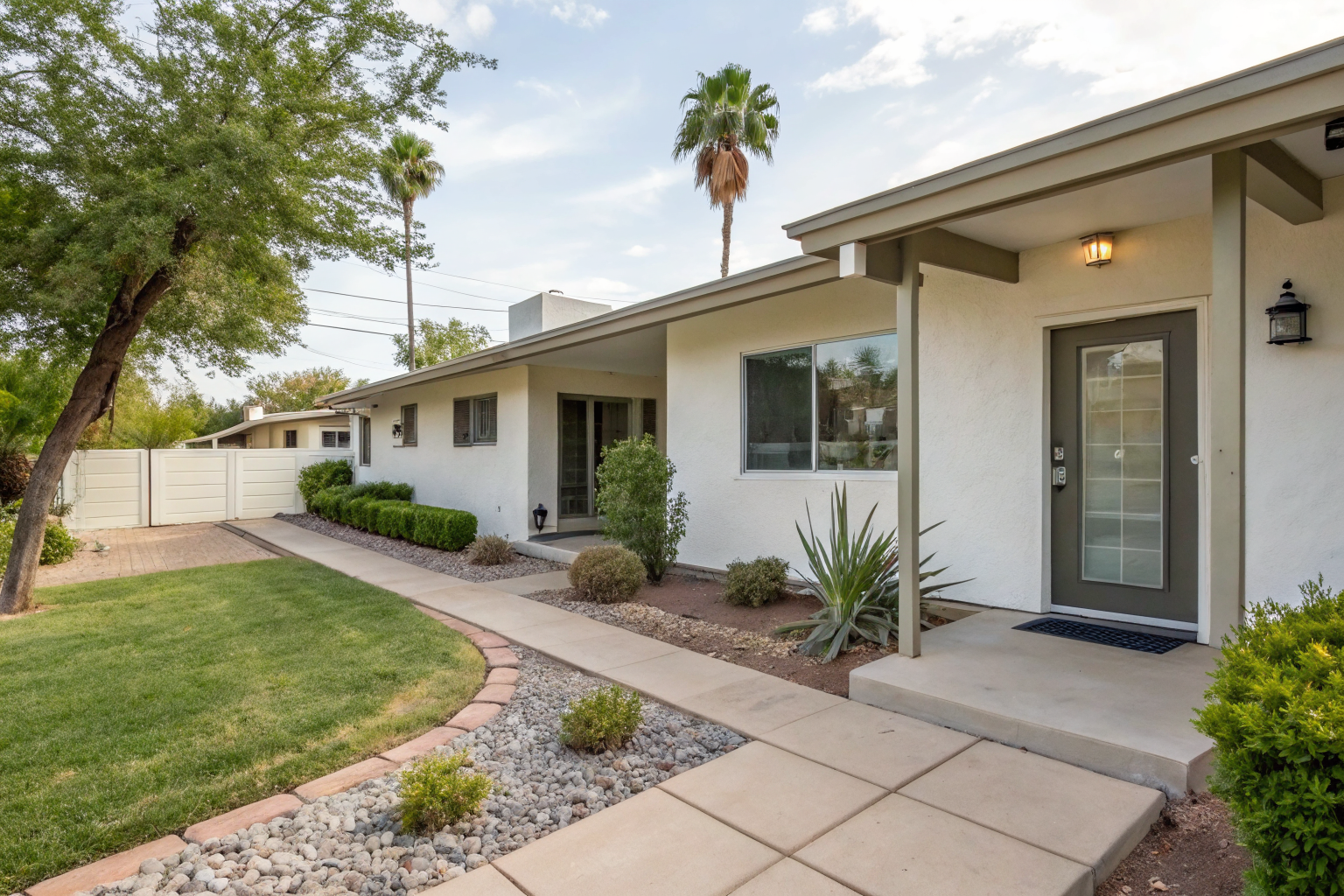
Airbnb’s AirCover program is a host-guarantee program, not an insurance policy. That distinction matters in Tempe because Airbnb’s AirCover does not replace a dedicated short-term rental insurance policy for STR operators, and Tempe city code requires licensed STR operators to carry liability coverage that a discretionary host-guarantee program cannot satisfy.
Tempe adopted STR regulations under Title 5 of the Tempe City Code, consistent with ARS 9-500.39, which preempts municipalities from banning STRs outright but permits licensing and insurance requirements. STR hosts operating without compliant coverage face both policy voidance and city licensing consequences.
Here are the specific gaps STR hosts in Tempe need to account for:
- Standard HO-3 entrustment exclusion: Most HO-3 forms exclude personal property claims when a guest, not the owner, causes the damage. If a guest breaks furniture, a TV, or appliances, the HO-3 entrustment exclusion typically bars recovery, and AirCover reimbursement is discretionary, not a contractual right.
- AirCover is not DIFI-regulated: AirCover damage reimbursement is subject to Airbnb’s internal claims process, not the Arizona Department of Insurance and Financial Institutions. You cannot file a complaint with DIFI if Airbnb denies your AirCover request.
- Monsoon season liability: AZ monsoon season creates real guest-injury exposure, a wet patio, a pool deck after a storm, falling debris from a damaged patio cover. A guest injury during a monsoon event is not covered under AirCover, and an HO-3 liability exclusion for rental activity leaves the host personally exposed.
- Business-income loss: If a covered peril, roof damage from a monsoon, for example, forces you to cancel bookings, a standard HO-3 does not include business-income loss coverage. A dedicated STR policy or endorsement can include it.
- City licensing compliance: Tempe City Code Title 5 requires STR operators to carry liability insurance as a condition of licensure. Verify current minimums directly with the City of Tempe or a licensed AZ insurance agent, as code requirements are subject to amendment.
STR insurance requirements are fact-specific and depend on your property’s booking frequency, configuration, and how Tempe has updated its licensing rules since your last review. Consult a licensed AZ insurance agent to confirm the right form for your situation. For context on how STR coverage intersects with solar disclosure and other specialty exposures, the specialty insurance arizona article covers those categories in detail.
If you’re also exploring coverage for flat commercial roofs on properties with STR activity, the commercial flat roof monsoon damage topic covers monsoon-related structural exposure that sometimes applies to converted properties.
Renters Insurance in Tempe: What ASU Students Actually Get for $15 a Month
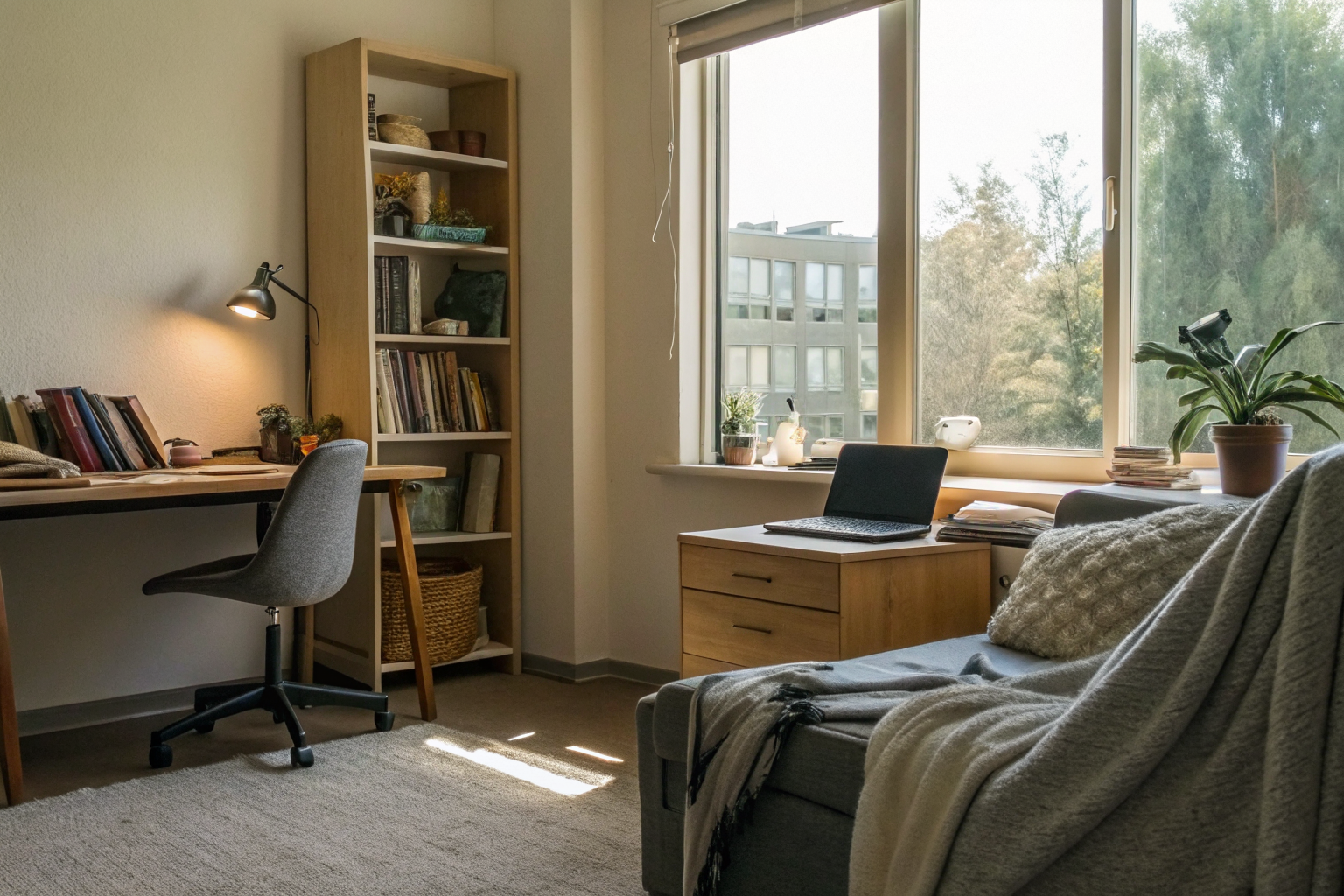
Renders insurance in Tempe covers personal property, liability, and loss-of-use for student tenants at rates that typically run under $20/month. The Insurance Information Institute reports that fewer than half of renters in the United States carry renters insurance, with student renters among the lowest-participation groups, despite average premiums of $15–$20/month for a basic Tempe policy covering $20,000–$30,000 in personal property.
The table below shows what a standard renters policy covers and does not cover, matched to scenarios common in Tempe student housing near ASU’s campus.
| Coverage Scenario | Standard Renters Policy |
|---|---|
| Laptop, bike, furniture stolen from unit | Covered under personal property |
| Guest injured inside the apartment | Covered under personal liability |
| Temporary housing if unit becomes uninhabitable | Covered under loss-of-use |
| Water entry from an open window during monsoon | Excluded, tenant negligence, not a covered peril |
| Flooding from outside the building | Excluded, requires separate NFIP or private flood policy |
| Roommate’s property (not named on policy) | Excluded unless roommate is listed as an insured |
| Car broken into in the apartment parking lot | Not covered, auto insurance covers the vehicle |
One misconception worth flagging: some ASU students assume their parents’ homeowners policy covers their off-campus belongings. Some HO-3 policies do extend personal property coverage to a dependent child living away at school, but coverage limits and exclusions vary by carrier and the specific form language. Students should check directly with their parents’ agent before skipping a renters policy, that extension, if it exists, may cap out well below what a full renters policy would provide.
A renters policy is landlord-agnostic. It protects the tenant regardless of what coverage the landlord carries or does not carry. For Tempe students dealing with water damage from a leaking unit above, questions about hardwood floor water damage insurance claims are relevant to understanding what the landlord’s policy covers versus what the tenant’s renters policy covers.
For solar-related claims that sometimes affect multi-unit buildings near ASU, the solar panel insurance claim denied arizona topic covers the disclosure failures that lead to claim denials on properties where solar was added without updating the policy.
How Does The Gebhard Agency Serve Tempe From the Mesa Office?
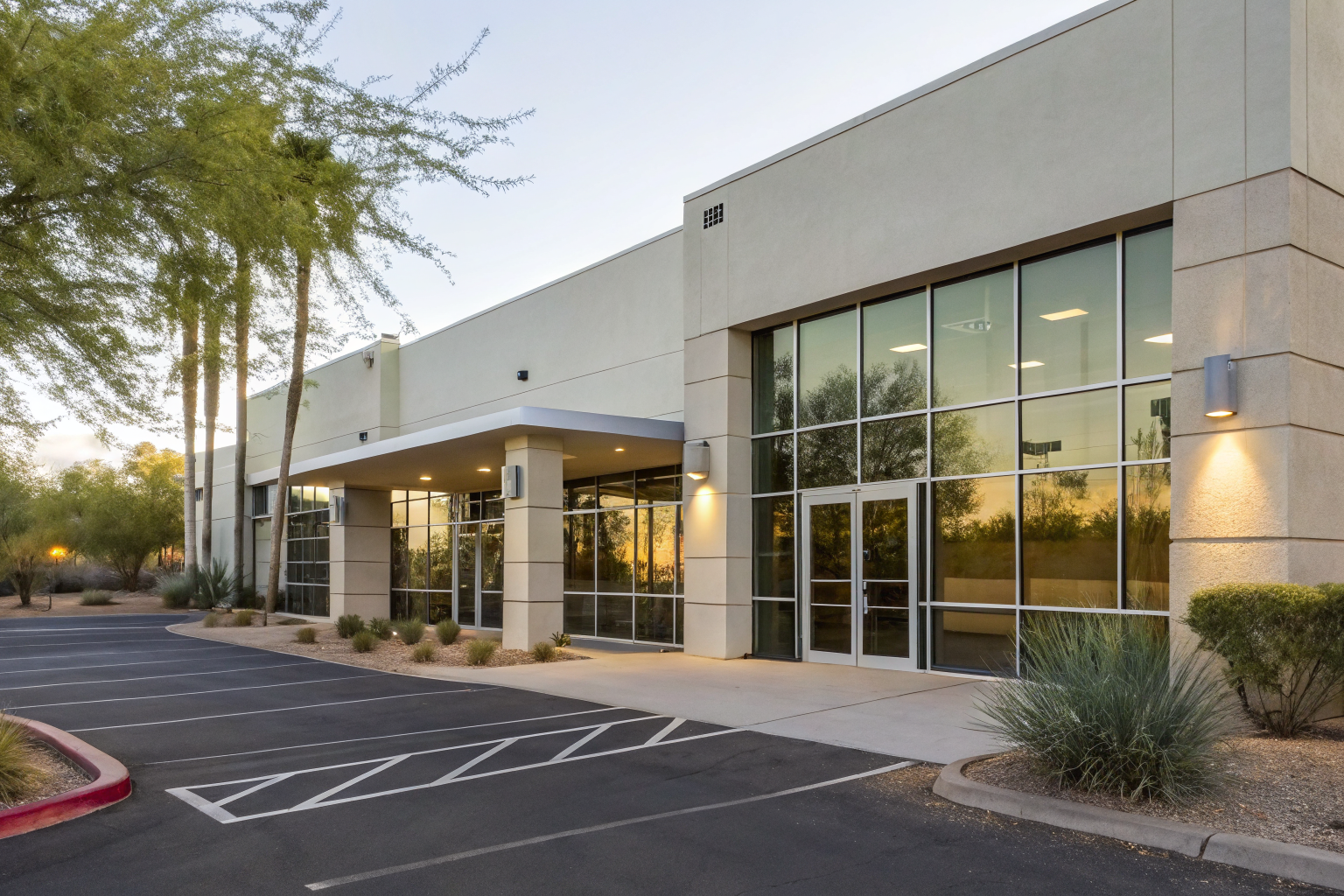
The Gebhard Agency’s Mesa office serves Tempe owner-occupiers, landlords, and STR hosts across the East Valley without requiring an in-person visit. The office is located at 4850 E Baseline Rd, Suite 103, Mesa, AZ 85206, within Maricopa County and approximately 5 miles from the ASU Tempe campus, with access to 200+ carriers across personal and landlord lines.
The geographic proximity matters less than the policy-type knowledge. Tempe’s mixed-use rental market requires matching the correct policy form to the property’s current use, not just its address. A home that was owner-occupied in 2019 and is now a full-time student rental needs a DP-3, not an HO-3 renewal. An Airbnb host who bought a condo near Mill Avenue needs an STR endorsement, not a standard condo policy. The 200+ carrier network means the agency can shop the right form across carriers rather than fitting your situation into one carrier’s preferred product.
Policy reviews and new quotes for Tempe properties are handled by phone or through the chat widget at the bottom of every page, no office visit needed. If your Tempe property has changed use since you last reviewed your coverage, that review belongs before the next renewal, not after a claim surfaces a gap.
Agencies serving neighboring East Valley markets provide useful comparison points, the insurance agency scottsdale az coverage covers how snowbird and seasonal-use exposures differ from Tempe’s student-rental patterns, and the insurance agency queen creek az article addresses the newer-construction and HOA-heavy dynamics further southeast in Maricopa County.
Frequently Asked Questions
Do I need a different insurance policy if I rent my Tempe home to ASU students?
Yes. A standard HO-3 homeowners policy is written for owner-occupiers and, under most DIFI-filed forms, excludes or voids coverage once the home is rented to tenants on a long-term basis. Tempe landlords renting to ASU students generally need a DP-3 dwelling policy, which covers the structure and can add liability by endorsement. The tenant’s personal property is not covered under a DP-3, that requires a separate renters insurance policy the tenant carries on their own.
Is renters insurance required for Tempe apartments near ASU?
Arizona law does not require tenants to carry renters insurance, but many Tempe landlords include it as a lease requirement, particularly in properties near ASU’s Tempe campus. A basic renters policy covering $20,000–$30,000 in personal property and liability typically runs $15–$20 per month, per Insurance Information Institute data. Students should also check whether a parent’s homeowners policy extends any personal property coverage to off-campus housing, and confirm the limits and exclusions before skipping a standalone policy.
Does Tempe require STR hosts to carry insurance?
Tempe regulates short-term rentals under Title 5 of the Tempe City Code, consistent with ARS 9-500.39, and requires STR operators to carry liability insurance as a condition of licensure. Verify current minimums directly with the City of Tempe or a licensed AZ insurance agent, as code requirements are subject to amendment. AirCover, Airbnb’s host-guarantee program, does not satisfy this requirement, it is not a regulated insurance policy, and a dedicated STR endorsement or standalone short-term rental policy is required to meet city licensing standards.