Snowbird home insurance mistakes Arizona homeowners make most often look like nothing at all: you left the house in good shape, a neighbor checked in twice a month, and you came back to a non-renewal notice. Your carrier already treated the home as vacant thirty days after you left.
Key Takeaways:
- Most Arizona HO-3 policies activate the vacancy clause at 30 or 60 days of unoccupancy, cutting vandalism, glass breakage, and water-damage coverage entirely, the exact perils most likely to hit an empty home.
- Classifying your Arizona home as a secondary residence instead of a primary residence changes your underwriting tier, your liability limits, and in some cases voids material misrepresentation protections if you file a claim under the wrong designation.
- Umbrella policies issued in two different states, one for your northern primary home, one for your Arizona property, do not automatically stack; a gap between policy definitions can leave a judgment uncontested by either carrier.
What Does ‘Snowbird’ Actually Mean to Your Arizona Insurance Carrier?
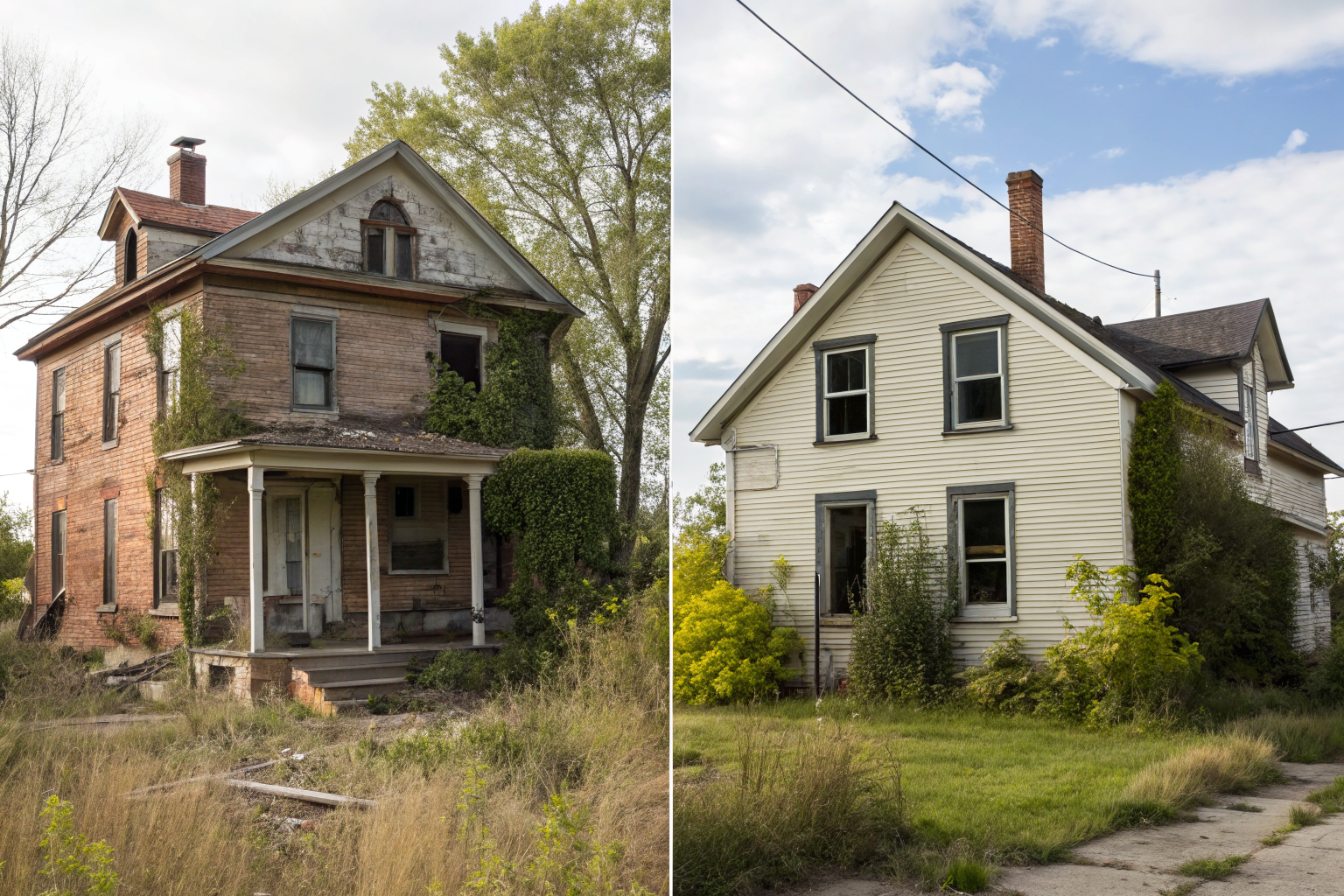
A snowbird, in underwriting terms, is not an official policy category. This means your carrier does not have a “snowbird” box to check at application. What they have is two buckets: seasonal secondary residence or unoccupied dwelling. Which bucket you fall into depends on what you told the carrier when you applied, and what your actual occupancy pattern looks like.
The snowbird vacancy clause is the policy condition that sits at the center of this classification. It is the language that defines how long your home can sit unoccupied before certain coverages drop off. If you bought the policy representing the home as a primary residence, meaning you said you live there year-round, but you leave for five or six months every year, your carrier has a problem with that. Per the HOAIC Arizona HO-3 policy form, DIFI-filed March 2025, the occupancy representation made at application is a material warranty. A false statement voids the policy from inception, not just from the date of discovery.
Material misrepresentation is the legal term for this situation. It means a false or incomplete statement made during the application process that would have changed the carrier’s underwriting decision. In practice, it means your carrier can deny your claim and cancel the policy backward to the start date, as if the policy never existed.
The primary vs. secondary residence classification is where the misrepresentation most often hides. A homeowner buys a Scottsdale condo as a winter property, applies for insurance as a primary residence to get better rates, and then spends nine months a year in Minnesota. That gap between the application and the reality is not a paperwork nuisance. It is grounds for a voided policy when you need it most.
If you are unsure which classification applies to your situation, consult a licensed Arizona insurance agent before your next departure. The Arizona Department of Insurance and Financial Institutions (DIFI) also maintains a consumer services line for policyholders who believe their coverage has been misrepresented.
For a broader overview of how Arizona policies work across property types, the arizona insurance guide covers the foundational mechanics that apply whether your home is a primary, secondary, or rental property.
The Vacancy Clause Triggers Most Arizona Snowbirds Don’t Know They’re Crossing
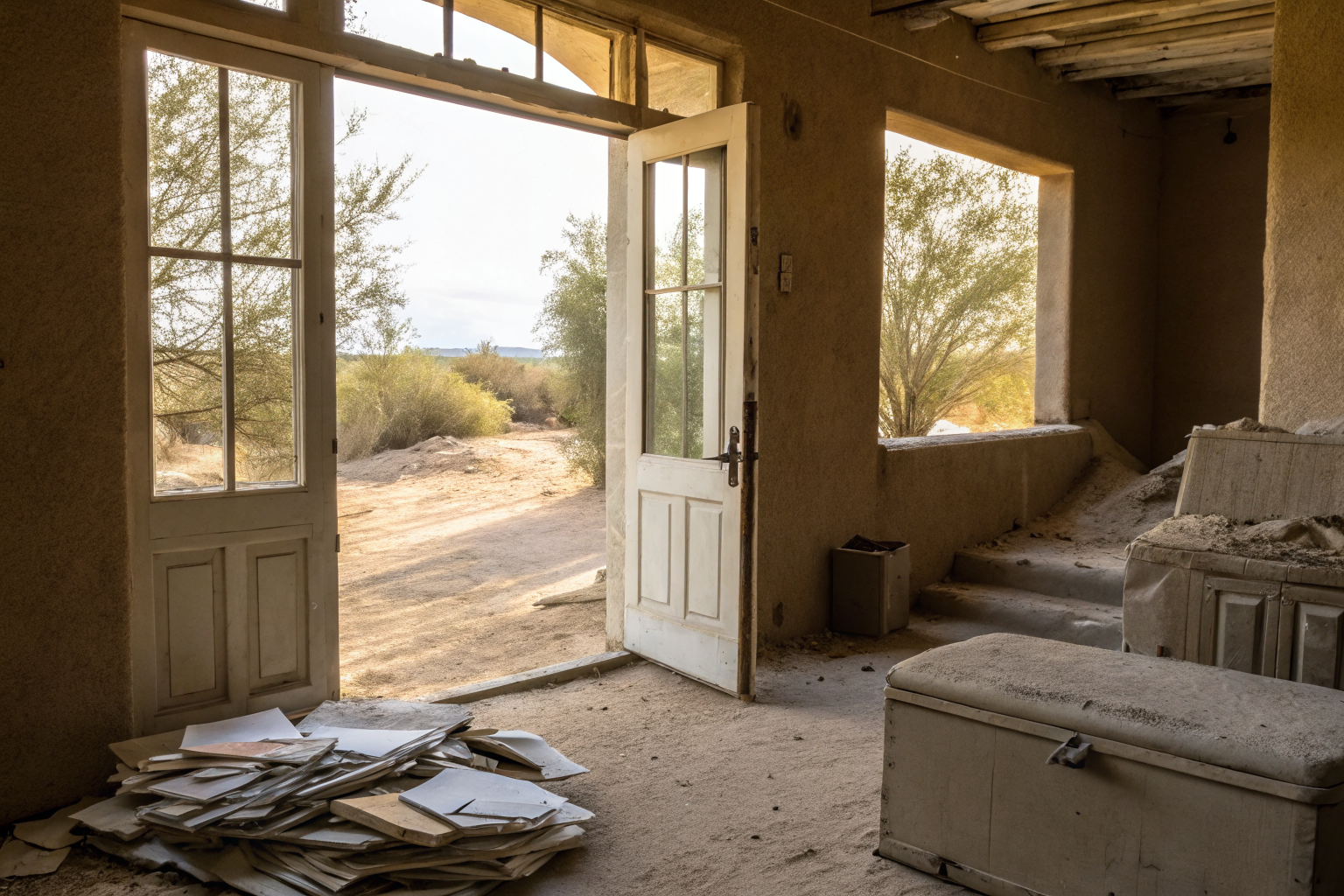
The vacancy clause activates automatically based on an occupancy fact, not on any action by your carrier. No notice goes out. No phone call gets made. At the moment your home crosses the threshold, day 31 or day 61, depending on your form, the coverage profile changes on its own.
Two thresholds appear in Arizona’s admitted-market HO-3 forms. The 30-day threshold is more common in policies written on secondary or seasonal residences from the start. The 60-day threshold appears in standard primary-residence HO-3 forms, though the language varies by carrier. Based on standard Arizona HO-3 form language reviewed by DIFI, vandalism and malicious mischief exclusions activate automatically at the vacancy threshold, no carrier action required, no notice to the policyholder.
The distinction between “unoccupied” and “vacant” matters in a claim dispute. Unoccupied means no residents are present. Vacant means no residents are present and no furnishings or personal property remain. A snowbird who leaves furniture, appliances, and personal items behind crosses into “unoccupied” territory, not “vacant”, and that distinction can affect which exclusions apply and which endorsements are available.
The departure-arrival timing problem is the thing that catches most people off guard. If you leave October 1 and return March 1, you cross the 60-day threshold around December 1. From that point forward, the coverage that would respond to a vandalism claim, a broken window, or an internal water leak is no longer in force, even though you are paying the same premium.
| Coverage Feature | 30-Day Threshold | 60-Day Threshold | Fix |
|---|---|---|---|
| Vandalism and malicious mischief | Excluded at day 31 | Excluded at day 61 | Snowbird endorsement or vacancy permit |
| Glass breakage | Excluded at day 31 | Excluded at day 61 | Snowbird endorsement or vacancy permit |
| Internal water damage (e.g., pipe failure) | Excluded at day 31 on many forms | Excluded at day 61 on most forms | Vacant-home policy or seasonal-occupancy rider |
| Fire, lightning, windstorm, hail | Typically remains covered | Typically remains covered | No change needed |
| Theft of personal property | Excluded or severely limited | Excluded or severely limited | Separate endorsement or floater |
| Liability (personal injury to visitors) | May be limited in some forms | May be limited in some forms | Confirm with carrier before departure |
The right solution depends on your specific form. A snowbird endorsement, sometimes called a seasonal-occupancy rider, keeps the excluded perils covered through a defined absence period. A vacancy permit is a separate endorsement that extends coverage for a set number of days on a fully vacant property. A DP-3 form (dwelling policy) may be the right swap entirely if you have already crossed into secondary-residence territory.
The slow leak vs burst pipe coverage question becomes especially sharp here, an internal water-damage exclusion triggered by the vacancy clause means neither a slow drip nor a sudden break is covered after the threshold passes.
Is Your Arizona Home Actually Covered While You’re Away? The Honest Answer.

Some coverage does remain after the vacancy threshold passes. The perils most carriers keep in place, fire, lightning, explosion, windstorm, hail, are the ones least likely to discriminate between an occupied and an empty house. The perils that disappear are the ones most common in unoccupied Arizona homes during a five-month absence.
Here is what the coverage picture looks like once the threshold is crossed:
- What stays active: Fire, lightning, explosion, windstorm, and hail remain covered under most standard Arizona HO-3 forms after the vacancy threshold, because these are weather-driven perils that the carrier cannot argue were worsened by vacancy.
- What disappears: Vandalism and malicious mischief drop off automatically. Glass breakage coverage ends. Internal water damage, including pipe failure, appliance leaks, and slow leaks behind walls, is excluded on most forms once the home is unoccupied beyond the threshold. This is the peril that generates the most denied claims for returning snowbirds.
- Liability coverage: Some policy forms reduce or eliminate personal liability coverage when no residents are present at a secondary property. If a contractor you hired to check the HVAC slips and falls, the liability question is live.
- Theft of contents: Personal property theft coverage is either excluded outright or subject to a sharply reduced sub-limit once the home crosses the unoccupied threshold. A home full of furniture does not protect you from this exclusion, the issue is occupancy, not furnishings.
Five specific mistakes create coverage voids that a returning snowbird discovers too late:
- Leaving without notifying the carrier. The carrier does not know you are gone. When the claim comes in, the adjuster checks the occupancy timeline, finds the 90-day absence, and applies the vacancy exclusion. The claim is denied.
- Confusing a neighbor checking in with occupancy. A neighbor picking up mail or watering plants does not meet the occupancy standard under Arizona HO-3 forms. Occupancy means a resident with lawful presence living in the home, not periodic visits.
- Letting a friend stay without disclosing it. An undisclosed occupant creates its own problem. If that person causes damage or is injured, the carrier may deny the claim on the grounds that the occupancy arrangement was not disclosed at application.
- Failing to disclose short-term rental activity during the absence months. ARS 9-500.39 preempts local STR bans statewide, but it does not create insurance coverage. An undisclosed STR booking during a snowbird absence is an entrustment exclusion trigger in most HO-3 forms, the carrier argues the property was in someone else’s control without their knowledge. The airbnb insurance arizona coverage question is a separate analysis from the snowbird vacancy question, but when you combine them, the exposure compounds.
- Assuming the Arizona policy mirrors your northern-state policy. Insurance policy language varies by state filing and carrier. A 60-day vacancy clause in your Minnesota policy does not mean your Arizona policy says the same thing. Carriers file their own forms with DIFI, and the language can differ materially.
Primary vs. Secondary Residence: How the Classification Decides Your Coverage Before You File a Claim

The classification decision happens at application and it locks in the coverage scope, the vacancy treatment, and the liability limits structure before any claim ever occurs. Getting it wrong is the mistake that kills claims retroactively.
Primary residence underwriting assumes someone lives in the home for most of the year. The HO-3 written on a primary residence carries broader theft coverage, standard liability limits, and a vacancy clause that does not activate until day 60 or later. Secondary or seasonal residence underwriting assumes you are not there most of the time. Carriers may apply a modified vacancy clause from day one, require endorsements for extended absence, price liability at a different tier, or decline to write an HO-3 at all and offer a DP-3 instead.
Under Arizona common law and standard HO-3 form conditions, a material misrepresentation at application, including occupancy status, gives the carrier the right to void the policy from inception, not just deny the claim in question. Arizona courts have upheld this. The homeowner loses the premium paid and the claim.
The liability limits structure matters specifically when a guest or contractor is injured on the property while you are away. A secondary-residence policy may carry a $100,000 personal liability limit where a primary-residence policy carries $300,000. If you have not checked which limit applies to your Arizona home, you do not know your actual exposure.
| Feature | Primary Residence HO-3 | Secondary / Seasonal Residence |
|---|---|---|
| Standard personal liability limit | $100,000–$300,000 (varies by carrier) | Often lower; may require endorsement to raise |
| Vacancy clause activation | Day 60 on most standard forms | May activate at day 30, or be modified from inception |
| Theft coverage scope | Broad personal property coverage | Sub-limits common; some carriers exclude theft entirely |
| Water damage from internal sources | Covered subject to deductible | May require endorsement; excluded after vacancy threshold |
| Material misrepresentation risk | Low if occupancy is accurate | High if occupancy was misstated at application |
| Policy form typically offered | HO-3 | HO-3 with endorsements, or DP-3 |
If you bought your Arizona home as a vacation property and the policy was written as a primary residence, whether by mistake or to lower the premium, the solution is to correct the classification before the next claim, not after. An Arizona-licensed insurance agent can review the current policy form, confirm which classification applies, and rewrite the coverage if necessary. Correcting a misclassification before a loss is a coverage fix. Correcting it after a denial is a much harder conversation.
For snowbirds who also have solar panels on the Arizona property, the solar panel storm damage claim arizona question intersects here, if the policy form is wrong, a solar claim may be denied on misrepresentation grounds before the carrier even gets to the damage assessment.
Does Your Umbrella Policy Actually Cover Both States, or Just One?

This is the coverage gap snowbirds almost never discuss with their agent. A personal umbrella policy issued in your northern primary state follows your liability exposure, but only where it sits above the underlying coverage it was designed to cover. The Arizona home’s HO-3 has its own liability limit. If the Arizona carrier is different from the carrier issuing your umbrella, the umbrella’s scheduled underlying coverage may not include the Arizona policy.
The result is a judgment gap. A guest is injured at your Scottsdale home. The Arizona HO-3 liability limit is $100,000. The judgment comes in at $350,000. Your northern-state umbrella has a $1,000,000 limit, but its schedule of underlying coverage names only your Minnesota home’s HO-3 and your auto policy. The Arizona HO-3 is not a scheduled underlying policy. The umbrella carrier denies the claim because the underlying policy is not on their schedule. The Arizona carrier pays its $100,000 limit. The remaining $250,000 is yours.
Umbrella stacking in this context means having both the Arizona HO-3 and the primary-residence HO-3 named as underlying scheduled policies on a single umbrella. That requires a carrier willing to write multi-state underlying schedules. Not all carriers do. Some require all underlying policies to be written with affiliated carriers. Finding the right structure means shopping both the umbrella and the underlying policies together, not separately.
ARS 20-1510, effective 2023, prohibits Arizona carriers from refusing to write or renew a policy based on breed alone. The statute does not prevent exclusion of liability for a dog with a documented bite history. If a dog bite occurs at the Arizona home and the breed or bite history was not disclosed to the Arizona carrier, the liability exclusion cascades up through the umbrella, the umbrella sits above an excluded underlying claim, which means it does not pay either. Dog-bite exposure at a snowbird property is a specific disclosure obligation, not a general one.
The liability limits structure for a snowbird with properties in two states is one of the harder problems in personal lines. The fix is simple in concept: one umbrella, two states, all underlying policies scheduled. Getting there requires an agent who writes across both states or who can coordinate with a northern-state agent on the umbrella structure. The collision vs comprehensive insurance arizona decision is simpler by comparison, at least both options live in one state and one policy.
Frequently Asked Questions
Does my Arizona homeowners insurance cover me if I leave for the whole winter?
It depends on how long you are gone and what your specific policy form says. Most Arizona HO-3 policies cut coverage for vandalism, glass breakage, and internal water damage once the home has been unoccupied for 30 to 60 days. A snowbird endorsement or seasonal-occupancy rider added before you leave is the way to keep those perils covered through a five- or six-month absence.
What is the snowbird vacancy clause and when does it kick in?
The vacancy clause is a policy condition that reduces or eliminates certain coverages after a home sits unoccupied beyond a set threshold, typically 30 or 60 consecutive days under standard Arizona HO-3 forms. Perils most commonly cut include vandalism, malicious mischief, and water damage from internal sources. The clause activates automatically based on the occupancy fact, without any notice from you or your carrier.
Do I need a different insurance policy for my Arizona second home than for my main house?
In most cases, yes. A home you occupy less than six months a year is underwritten as a seasonal or secondary residence, not a primary residence, and the coverage scope, liability limits, and vacancy treatment differ from a primary-residence policy. Writing a secondary home on a primary-residence HO-3 is a material misrepresentation that can void a claim, so the policy form needs to match the actual occupancy pattern. Consult a licensed Arizona insurance agent to confirm which form applies to your situation.