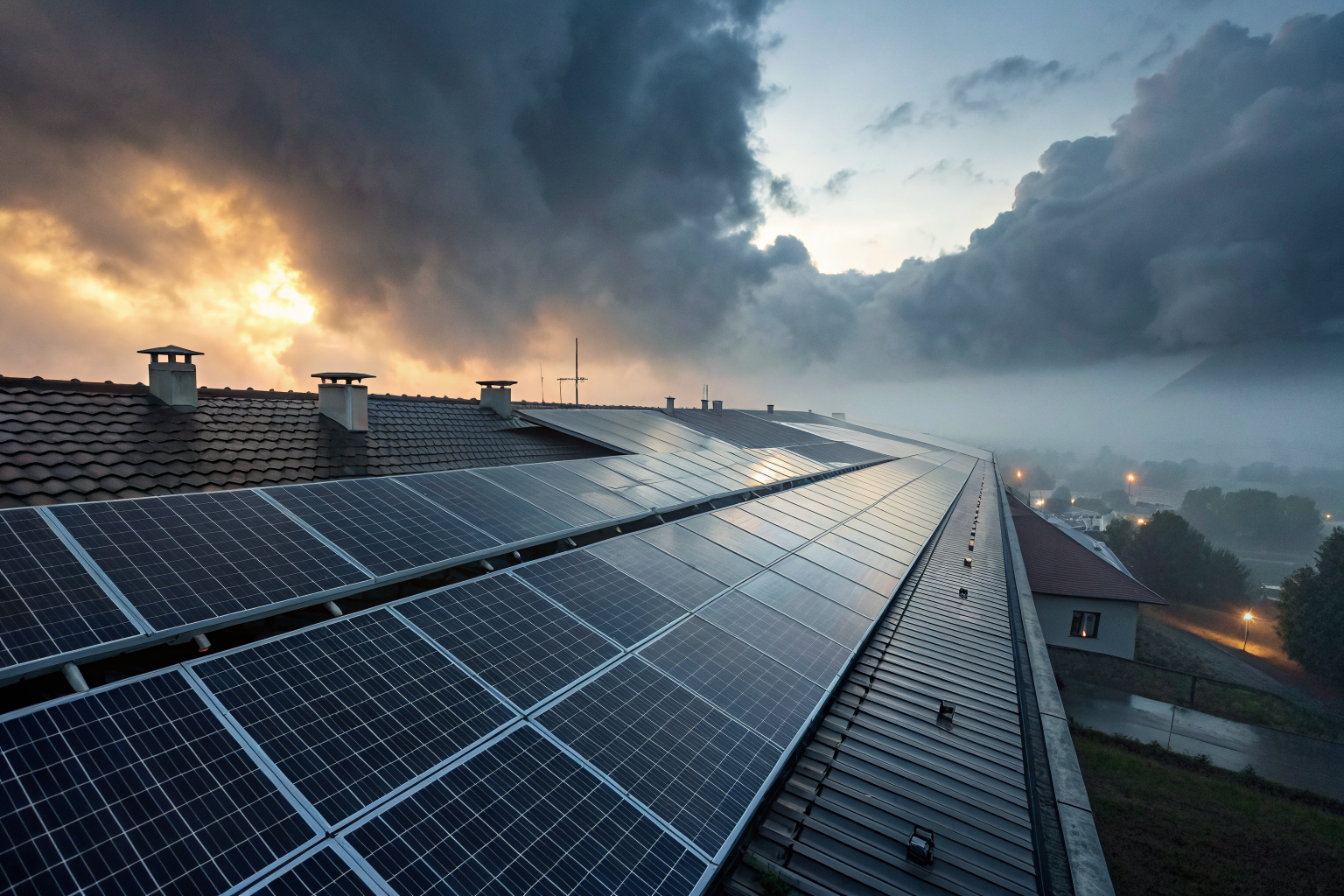
Solar panel disclosure homeowners insurance Arizona is one of the most skipped steps in the entire solar installation process. Most Arizona homeowners who install solar call their roofer, their utility, and their HOA, and never call their insurance agent, which means a $40,000 to $60,000 system is sitting on their roof with no guaranteed coverage.
Key Takeaways:
- A typical Arizona home solar install runs $40,000 to $60,000, and most HO-3 policies haven’t been updated to reflect it, leaving a replacement-cost gap that only surfaces at claim time.
- Failing to disclose a material change like a solar installation can give your carrier grounds to deny a claim or void coverage under material misrepresentation doctrine, the same legal standard that kills undisclosed teen-driver claims.
- Leased solar panels present a separate disclosure problem: you don’t own them, but your carrier still needs to know they’re attached to your roof structure, and the leasing company’s warranty is not insurance.
What Your HO-3 Policy Says About Solar Panels, and What It Doesn’t

An HO-3 policy is a standard homeowners insurance form that covers your dwelling structure under Coverage A and detached structures under Coverage B. This means roof-mounted solar panels, physically attached to the home, are treated as part of Coverage A, not Coverage B, under most filed policy forms.
The distinction matters. Coverage A carries your highest limit. Coverage B is typically capped at 10% of Coverage A. If panels were misclassified or not addressed in the policy at all, that limit mismatch alone can create a coverage gap at claim time.
Here’s the problem with how Coverage A works in practice: the replacement-cost estimate your carrier used to set your Coverage A limit was calculated at underwriting, before your panels were installed. Per the Arizona Department of Insurance and Financial Institutions (DIFI), policyholders carry an obligation to notify their carrier of material changes to the insured property. A solar installation is a textbook material change.
The HOAIC Arizona HO-3 policy form filed with DIFI in March 2025 addresses attached equipment as part of the dwelling structure. But that classification only helps you if your Coverage A limit was set to include the full replacement cost of the system. If your carrier never updated the estimate after installation, your Coverage A limit may be $40,000 to $60,000 short of what it costs to rebuild, which is the full range of a typical AZ home solar install, according to current installation data.
The solar replacement-cost gap is invisible until a claim exposes it. That’s what makes it dangerous. It doesn’t show up on your declarations page as a warning. Your policy looks fine. The gap only appears when the adjuster calculates the payout.
Consult a licensed Arizona insurance agent for advice specific to your policy and situation, particularly before your first monsoon season after installation.
This topic connects to the broader question of how roof age homeowners insurance Arizona rules interact with solar systems, since older roofs with newer panels face compounding problems. For a full orientation to how these coverage mechanics fit together, the Arizona insurance guide covers the foundational structure.
Do You Actually Have to Tell Your Insurance Company About Solar Panels?
Yes. The obligation is not optional and it is not satisfied by waiting until renewal.
Material misrepresentation is the legal doctrine that gives a carrier grounds to deny a claim or rescind a policy when the insured failed to disclose a fact material to the risk. Attaching $40,000 to $60,000 of equipment to your roof structure qualifies as material by any standard definition. If your carrier can show that the installation changed the risk they agreed to cover, and that you knew about it and didn’t tell them, they have grounds to act on that at claim time.
This is the same doctrine used to deny undisclosed teen-driver auto claims. The legal standard is consistent across lines of coverage, it doesn’t matter whether the undisclosed fact is a driver or a solar array. What matters is whether the carrier would have underwritten the risk differently if they had known.
Timing matters here. Disclosure should happen before or immediately after installation, not at the next renewal, not when you file a claim. The renewal cycle does not reset your disclosure obligation. Your carrier’s offer to renew your policy is not confirmation that they know about the panels. Renewal is automated in most cases. The carrier is renewing what they think they know, not what changed.
Standard HO-3 policy language filed under DIFI requires notification of material changes to the insured property. Arizona contract law reinforces that obligation. The duty to inform your carrier sits with you, not with the carrier to ask.
As Paul Gebhard puts it: “What your insurance company doesn’t know can cost you the claim.” Solar disclosure is exactly the scenario that phrase describes. A system installed two years ago, never reported, and damaged in a hail event is a claim waiting to be contested.
If you’re unsure whether your current policy reflects your solar installation, consider speaking with a licensed Arizona insurance agent before your next renewal. If you’ve already seen your carrier raised deductible renewal Arizona-style at your last renewal without explanation, the policy review is overdue.
Owned vs. Leased Solar: Why the Disclosure Problem Is Different for Each
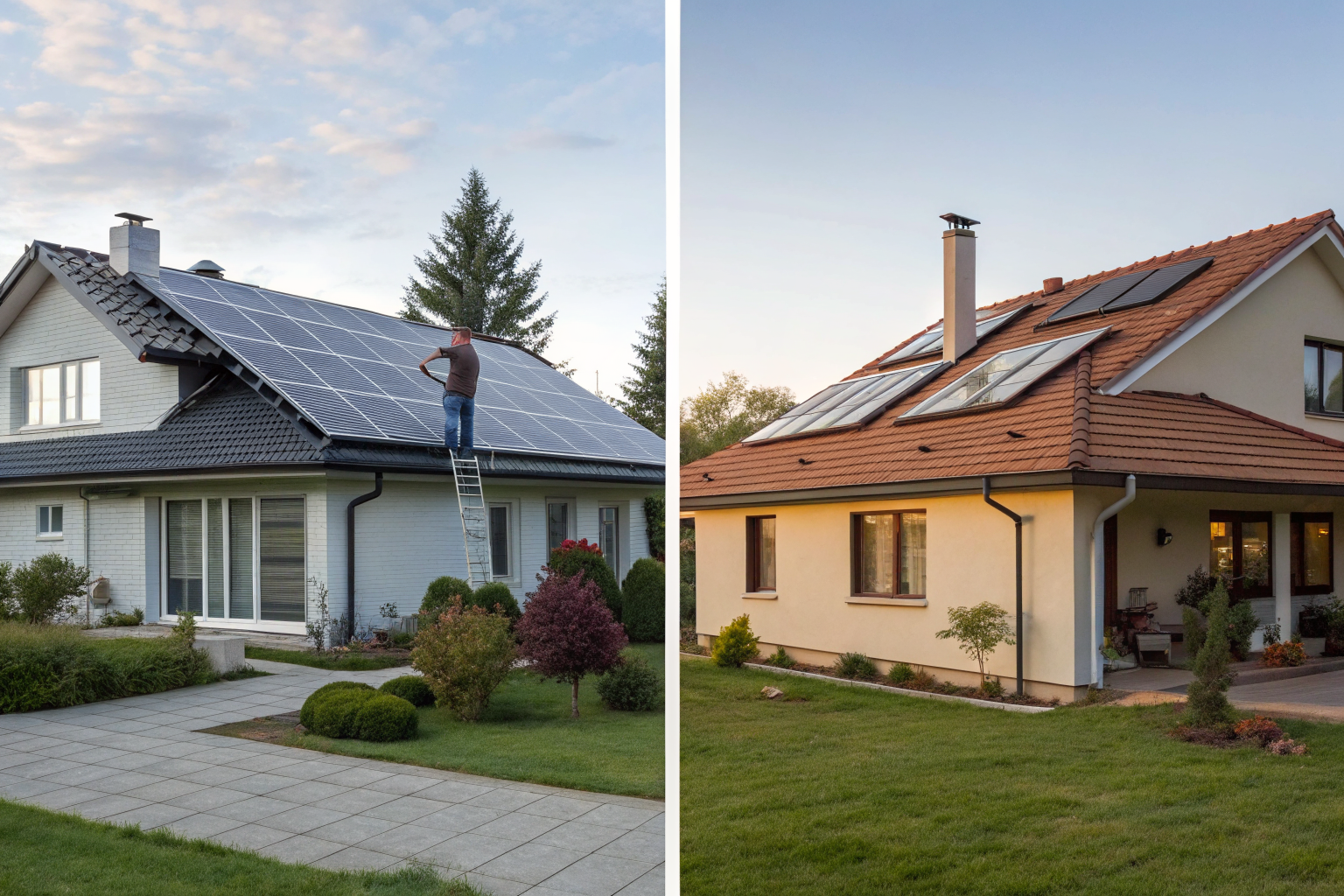
Whether you own or lease your panels changes who holds the insurance obligation, but it does not eliminate your obligation to disclose. The disclosure problem exists in both cases. The mechanics just differ.
| Feature | Owned Panels | Leased Panels |
|---|---|---|
| Who owns the equipment | Homeowner | Solar leasing company (e.g., SunPower, Tesla Energy) |
| Whose insurance covers physical damage to the panels | Homeowner’s HO-3 Coverage A (if disclosed and limit is adequate) | Leasing company’s commercial policy, but only for the panels themselves |
| What the homeowner’s HO-3 needs to say | Coverage A limit must reflect full replacement cost including the system | Carrier must be notified that panels are attached to the insured structure, even though homeowner doesn’t own them |
| What the leasing company’s contract typically requires | Not applicable, homeowner owns the asset | Homeowner must maintain a minimum Coverage A limit (commonly $300,000) and notify their carrier of the installation |
| What happens at claim time if carrier wasn’t notified | Carrier may deny or reduce the claim citing material misrepresentation | Carrier may exclude roof damage tied to panel installation or panel failure; leasing company pursues their equipment separately |
The thing that catches people off guard with leased panels: the leasing company’s warranty is not insurance. This is the same logic that applies to Airbnb’s AirCover, platform protection and warranty terms are not property insurance policies. A solar lease warranty covers product defects and performance guarantees. It does not cover hail damage to the panels, roof punctures caused by the mounting hardware, or any damage classified as a covered peril under your homeowners policy.
Your carrier still needs to know the panels are there because they are physically attached to the insured structure. Damage to the roof caused by panel installation, panel failure, or a storm event affecting both the roof and the panels can be excluded if the carrier was never informed the panels existed.
Solar lease agreements, standard language from SunPower and Tesla Energy lease contracts, commonly require the homeowner to carry a minimum of $300,000 in liability coverage and notify their carrier of the installation. Most homeowners never read that clause at signing.
If you’re navigating both an HOA master policy and a leased solar array, the coverage layering gets more complex. The hoa master policy ho-6 gap arizona issue can intersect with solar disclosure when panels are installed on a condo or townhome covered by a master policy.
The Replacement-Cost Gap: What Happens When Your Coverage A Limit Is $50,000 Short
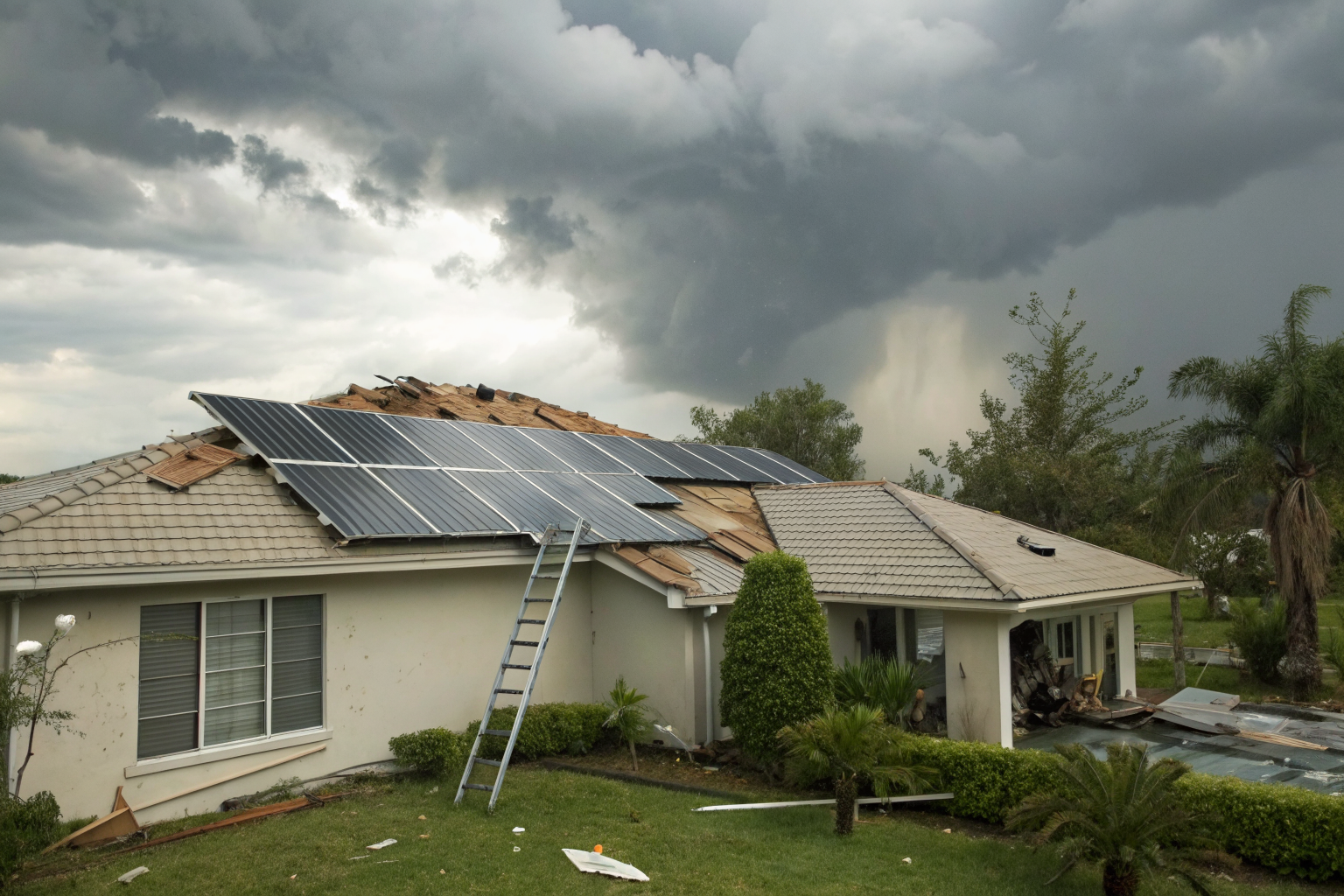
Walk through this scenario step by step. It’s not hypothetical, it’s a predictable outcome when the policy isn’t updated after installation.
A monsoon or hail event damages your roof and panels at the same time. Both the roofing material and the solar array take impact damage. You file a claim expecting your homeowners policy to cover the rebuild.
The adjuster calculates dwelling replacement cost using your Coverage A limit on file. That limit was set at underwriting, before the panels were installed. The adjuster is working from the number your carrier has on record.
Your panels are part of the dwelling structure under Coverage A, but the limit doesn’t include their value. The carrier pays to the Coverage A limit. The panels’ replacement cost, $40,000 to $60,000, was never built into that number.
The carrier pays out to the limit. You receive a check. The check is $40,000 to $60,000 short of what it costs to rebuild the structure as it stood before the loss.
You discover the policy was never updated after installation. There is no correction available at this point. The claim was paid to the limit on file. The gap is your expense.
The compounding problem: if the roof also has an age-related issue, tile underlayment over 20 years old, for example, the carrier may apply the 25-50% roof age surcharge or ACV depreciation on top of the coverage shortfall. Replacing an aging roof eliminates the 25-50% age surcharge carriers apply to homes with roofs over 20 years old, per the roof age penalty standard used across most admitted AZ carriers. But if the roof is already aged when the claim hits, both the roof age penalty and the solar replacement-cost gap reduce the payout at the same moment.
Ask your carrier whether your Coverage A limit includes the full replacement cost of your solar system, and whether a solar panel rider or scheduled equipment endorsement is available. This is not a self-service audit. A licensed Arizona insurance agent can verify the numbers against your policy before a claim forces the question.
For homeowners who installed solar after a new roof homeowners insurance discount arizona situation, this check is especially important, the discount changes the premium picture, but it doesn’t update the Coverage A limit to include the panels.
If you’re also carrying hardwood floor water damage insurance concerns from a prior claim, and the same storm event causes both roof and interior water damage, the payout math gets worse fast when the Coverage A limit is already short.
Solar Panel Riders and Scheduled Equipment Endorsements: What Actually Fills the Gap

Several options exist for Arizona homeowners who want to close the solar coverage gap. Not all of them are available from every carrier. Availability varies by carrier appetite and what’s been filed with DIFI.
Coverage A limit increase. The simplest path when the carrier agrees to re-underwrite with panels included. You request a new replacement-cost estimate that factors in the solar system’s installed value, and the carrier raises the Coverage A limit accordingly. This keeps everything under one policy and one claim process.
Solar panel rider or endorsement. Some admitted carriers offer a specific add-on that schedules the solar system at its installed value. This rider extends Coverage A to include the full replacement cost of the system. Not all admitted carriers in Arizona have filed a solar panel rider with DIFI, availability depends on your carrier’s current appetite, which is why carrier-agnostic sourcing is relevant when your primary carrier won’t extend coverage.
Scheduled personal property endorsement. Less common for roof-mounted arrays, but occasionally used for ground-mount systems that might fall under Coverage B classification rather than Coverage A. If your panels are ground-mounted, ask your carrier how they classify them before assuming Coverage A applies.
Inland marine or equipment floater policy. Used when the main carrier won’t extend coverage to the panels, or when the system’s value exceeds what Coverage A extension limits allow. This is a separate policy that covers the equipment specifically. It adds a second policy to manage but fills the gap when no rider is available from the primary carrier.
Leasing company coverage verification. If you lease your panels, get written confirmation from the leasing company detailing exactly what their policy covers and what responsibility falls to you. The gap between their coverage and yours is the number you need to protect. Read the lease terms alongside your HO-3 declarations page.
For each of these options, availability and the scope of what’s covered depends on your specific carrier and what they’ve filed in Arizona. Ask your licensed Arizona insurance agent which options are available through your current carrier before assuming any of them exist on your policy. If you end up with a denied claim despite taking these steps, the solar panel insurance claim denied arizona process has its own set of remediation steps worth knowing before you get there.
Frequently Asked Questions
Do I need to tell my insurance company about solar panels before or after installation?
Notify your carrier before installation if possible, and no later than the day the system goes live. Waiting until renewal does not satisfy your disclosure obligation, Arizona HO-3 policy language requires notification of material changes to the insured property, and attaching $40,000 to $60,000 of equipment to your roof structure qualifies as a material change. Speak with a licensed Arizona insurance agent to confirm your Coverage A limit reflects the panels before the first storm season after install.
Are solar panels automatically covered under my existing homeowners insurance?
Roof-mounted solar panels attached to the dwelling are treated as part of Coverage A under a standard HO-3 policy, but coverage is only as good as the Coverage A limit on file. If your carrier set that limit before the panels were installed, the replacement-cost gap between your limit and the actual rebuild cost (panels included) falls on you. Contact your carrier or a licensed Arizona insurance agent to verify the limit includes the full system value.
What happens if I have leased solar panels and my house has a total loss?
If you lease your panels, the leasing company retains ownership, but the panels are physically attached to your insured dwelling, and your carrier needs to know they’re there. At total loss, the leasing company will pursue replacement of their equipment under their own coverage or the terms of your lease contract. Your HO-3 policy needs to account for the roof structure damage separately, and many leases require you to maintain a minimum Coverage A limit. Read the lease terms and confirm with a licensed Arizona insurance agent that your policy is structured to cover both obligations.