
The HOA master policy HO-6 gap in Arizona catches condo and townhome owners at the worst possible moment, when the claim is already filed. As of 2026, most Arizona HOA master policies are structured bare-walls-in, meaning everything inside your unit is your financial responsibility. The arizona insurance guide covers this gap as part of the broader coverage crisis facing AZ homeowners.
Key Takeaways:
- The HOA master policy covers the building structure from the studs out, your flooring, cabinets, fixtures, and everything inside the unit are your problem, not the HOA’s.
- Arizona HOA master policies carry their own deductible, sometimes $10,000 to $25,000 or higher, and that bill can land on you through a loss assessment if the damage originated in your unit.
- An HO-6 policy with a loss assessment endorsement and a deductible buydown rider is the only coverage layer that closes both the walls-in gap and the assessment exposure, most condo owners in Arizona have neither.
What Does an Arizona HOA Master Policy Actually Cover?
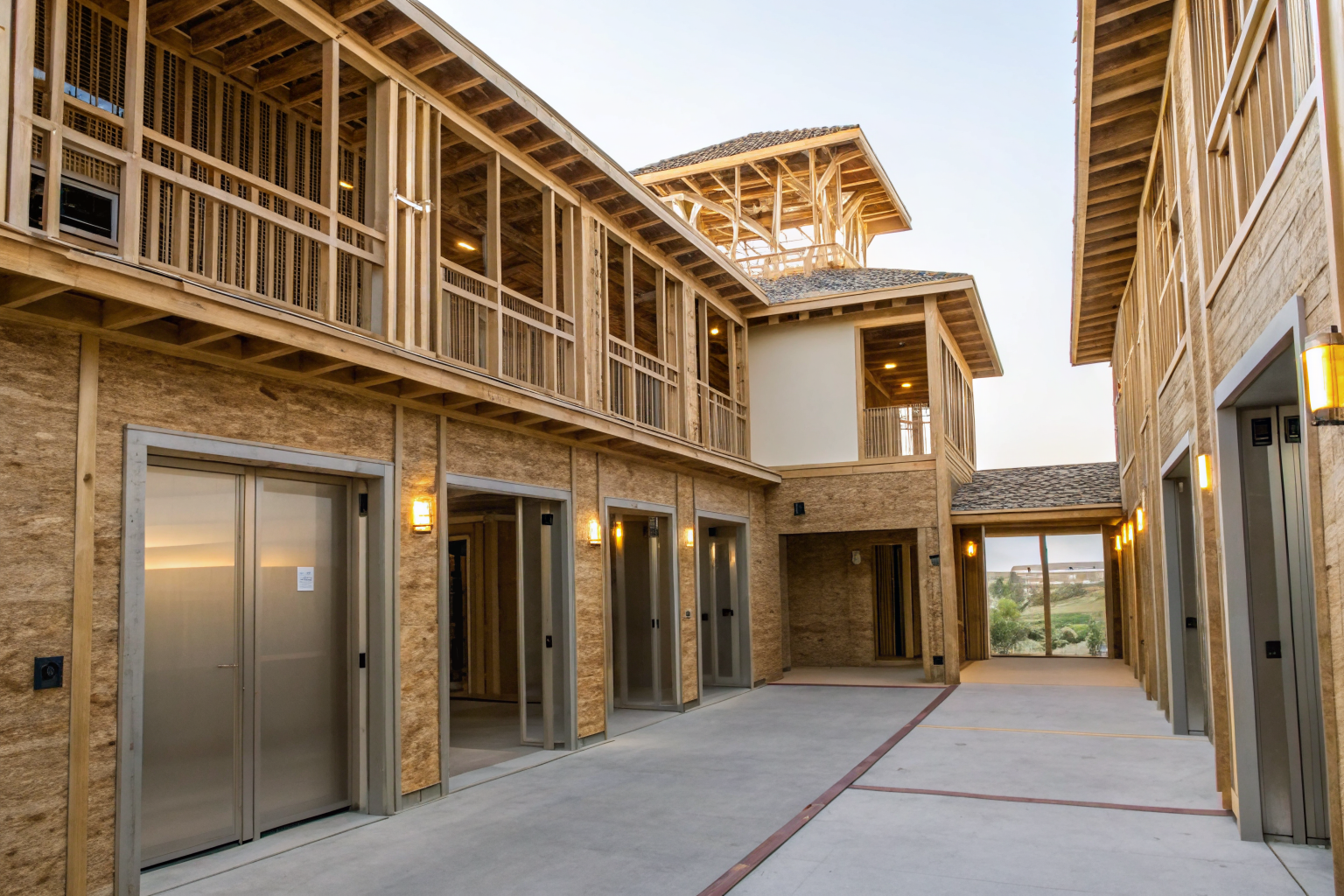
An HOA master policy is the association’s insurance contract covering the common elements of a shared-structure property. This means the exterior shell, shared roofs, hallways, elevators, and structural components from the studs outward, not the inside of your individual unit.
ARS 33-1201, the Arizona Condominium Act, requires the HOA to insure common elements and the building structure. It does not mandate coverage for unit owner improvements or personal property. That gap is written into state law, not just buried in policy language. ARS 33-1801, which governs Arizona planned communities including many townhome associations, carries a similar structure. The association insures what the association owns. What you own inside your unit is yours to insure.
Here is where most owners get confused. Arizona HOA master policies come in two structural formats: bare-walls-in and all-in. A bare-walls-in master policy covers the structural skeleton, studs, exterior walls, the roof deck, and stops there. An all-in master policy extends coverage to original fixtures and sometimes improvements inside each unit. Most Arizona HOA master policies are filed as bare-walls-in.
The distinction matters because most condo owners assume “the HOA has insurance” means their kitchen cabinets and hardwood floors are covered after a fire. They are not. The HOA master policy HO-6 gap exists regardless of whether the HOA has a policy, because the master policy was never designed to cover your interior. Knowing which version your HOA carries is the first question to answer before you set your HO-6 dwelling limit, and most owners have never seen the master policy document.
Walls-In vs. Walls-Out: The Line That Determines Whether Your Claim Gets Paid
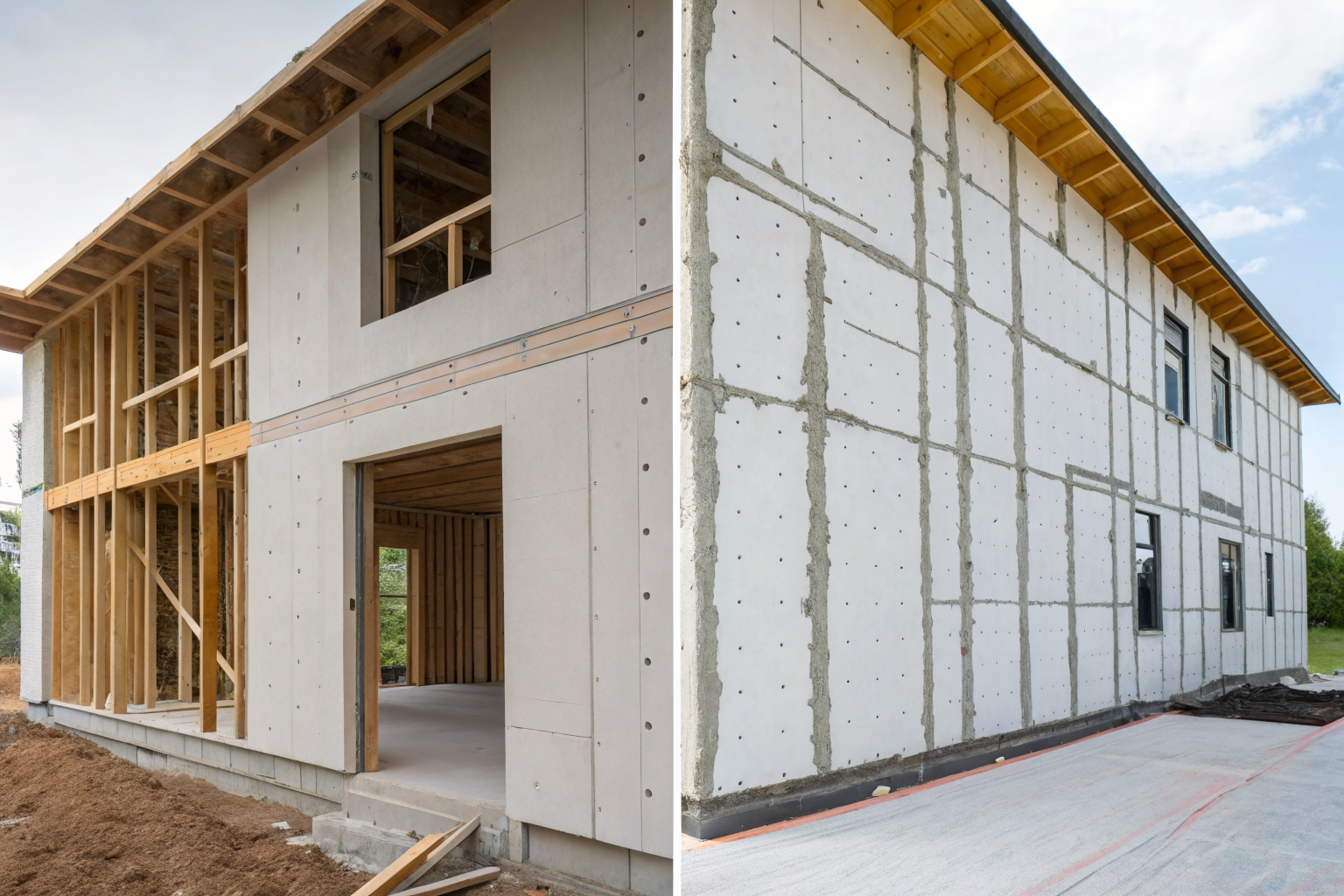
Walls-out coverage is what the HOA master policy provides. It covers the building from the exterior surface inward to the drywall, but the drywall itself, and everything behind it on your side, belongs to you. Walls-out coverage leaves unit interiors, fixtures, and owner improvements uninsured under the master policy.
A common assumption here is that “shared wall” means shared coverage. The water line that runs through that wall may be a common element, but the drywall you share with your neighbor, your flooring, and your kitchen are not.
The table below shows how coverage responsibility splits across the three structures most Arizona condo and townhome owners encounter.
| Damage Scenario | Bare-Walls-In Master Policy | All-In Master Policy | HO-6 Policy |
|---|---|---|---|
| Exterior wall fire damage | HOA master policy pays | HOA master policy pays | Not applicable |
| Interior drywall after fire | Unit owner’s HO-6 pays | HOA master policy may pay | HO-6 pays if master policy doesn’t |
| Kitchen cabinets after fire | Unit owner’s HO-6 pays | Depends on filed form | HO-6 pays |
| Flooring after pipe burst | Unit owner’s HO-6 pays | Depends on filed form | HO-6 pays |
| HVAC unit inside the unit | Unit owner’s HO-6 pays | Unit owner’s HO-6 pays | HO-6 pays |
| Personal property (any cause) | Not covered by master policy | Not covered by master policy | HO-6 pays |
| Personal liability (guest injury) | Not covered by master policy | Not covered by master policy | HO-6 pays |
On a bare-walls-in master policy, the unit owner is responsible for drywall, flooring, cabinets, interior fixtures, and any upgrades made since original construction. In a kitchen remodel scenario, that exposure runs $40,000 to $80,000 with no master policy coverage at all.
An HO-6 policy is a condo or townhome owner’s individual policy. It covers the interior of the unit from the walls in, which is precisely where the master policy stops. The two policies are designed to work together. Treating the master policy as sufficient is the coverage gap that produces denied claims.
One more detail worth knowing: if you have a homeowners insurance HO-3 policy on a single-family home in Arizona, none of this split applies to you, the HO-3 covers the entire structure. The walls-in vs. walls-out distinction is specific to shared-structure properties where an HOA master policy exists alongside your individual coverage.
Do You Actually Need an HO-6 If Your HOA Already Has Insurance?
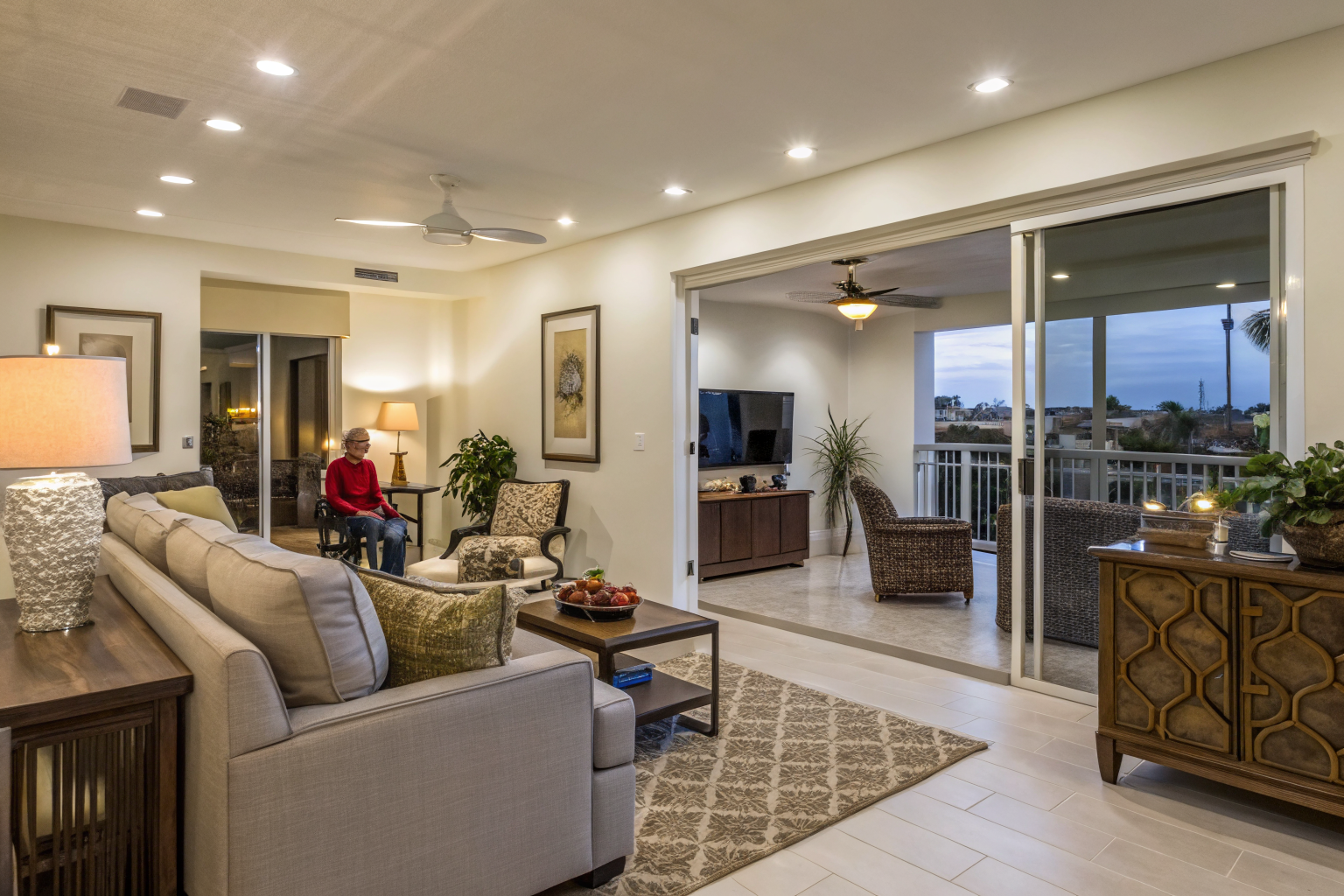
Yes. The HOA master policy does not cover your personal property, your interior improvements, or your personal liability if a guest gets hurt inside your unit. Those three exposures belong entirely to you.
The HO-6 policy fills the coverage gap the master policy leaves inside your unit. Without it, a fire that burns your kitchen leaves you with a structural shell the HOA rebuilt and a gutted interior you pay for out of pocket.
The material misrepresentation angle matters here, too. If you told your mortgage lender at closing that you carried HO-6 coverage and then let the policy lapse, you have created a disclosure problem. Lenders require evidence of HO-6 coverage on condo units because they have a financial interest in the property. A unit owner who drops the policy after closing has created both a coverage gap and a potential lender-notification obligation, and if a claim surfaces during the lapse period, the carrier who wrote your prior policy has grounds to investigate what you represented at application.
This is the same disclosure dynamic that appears across AZ homeowner coverage situations. What your insurance company doesn’t know can cost you the claim, whether that’s a solar system on the roof or a lapsed condo policy behind a closed file. If you recently received a non-renewal notice and are shopping replacement coverage, a lender-required HO-6 is not optional during that search. The steps involved in responding to a non-renewal notice and reestablishing required coverage are a separate process worth understanding before a gap in coverage creates a second problem.
Most Arizona mortgage lenders require evidence of HO-6 coverage at closing. The habit of dropping it after closing is common and the consequences show up at claim time, not at renewal.
The Loss Assessment Trap: When the HOA’s Deductible Becomes Your Bill

The loss assessment is the mechanism most Arizona condo owners have never heard explained until they get a bill. Here is how the sequence works.
- A damage event hits the building or a common area, a pipe bursts in a shared wall, a monsoon damages the roof, or a fire starts in one unit and spreads to the structure.
- The HOA files a master policy claim. The master policy deductible applies before the carrier pays anything. On many Arizona HOA filed policy forms, that deductible runs $10,000 to $25,000.
- The HOA board votes to assess unit owners for the deductible shortfall, which is permitted under most Arizona HOA governing documents and consistent with ARS 33-1201.
- The individual unit owner receives an assessment bill, typically with a 30-day pay-or-lien timeline. The assessment is not optional. Nonpayment can result in a lien on the unit.
- The unit owner’s HO-6 loss assessment endorsement either pays that bill or it doesn’t. Without the endorsement, the unit owner writes a personal check.
A single pipe-burst claim in a shared wall can trigger an assessment that splits a $25,000 master policy deductible across every unit in the building. If the HOA has 20 units and the board pro-rates the deductible equally, each owner owes $1,250. If the damage originated in your unit and the board assesses you for the full deductible, you owe $25,000.
The deductible buydown rider adds a second layer of protection. If your own damage triggers the master policy deductible and that deductible transfers to you, the buydown rider covers it. Loss assessment coverage without the buydown rider leaves one scenario partially exposed.
For context on how large HOA deductibles can get in weather-related events, the commercial flat-roof monsoon damage patterns in the Phoenix metro show that a single storm event can produce master policy claims at a scale that pushes deductibles into the $50,000 range on larger complexes, a useful reminder that $25,000 assessments are not worst-case numbers.
What an HO-6 Policy Needs to Include to Close the Gap
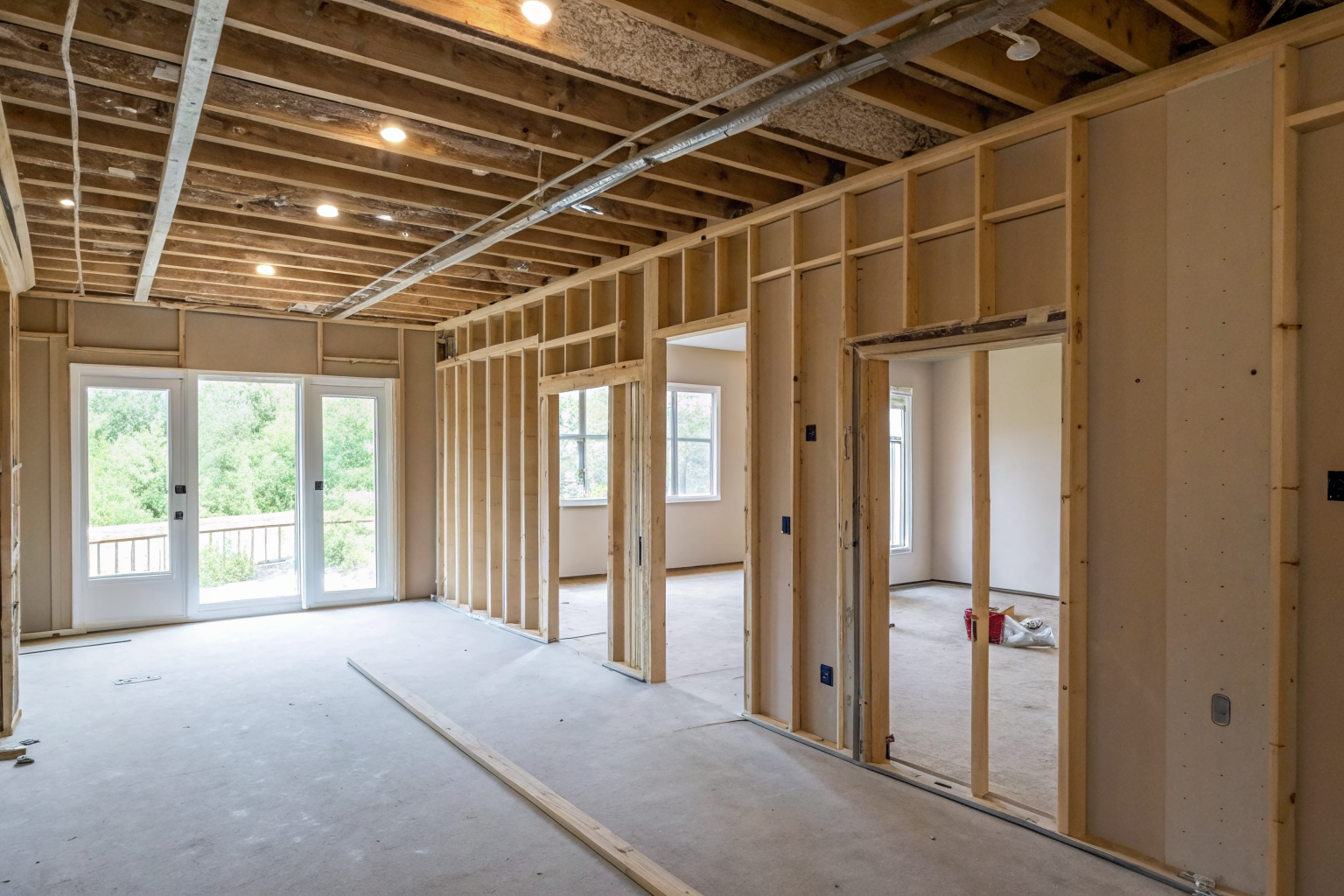
An HO-6 policy must include four specific components to close the master policy gap. Most off-the-shelf HO-6 policies carry one or two of these by default. The others require explicit endorsements.
- Dwelling Coverage A at replacement cost for walls-in improvements. This covers your interior, drywall, flooring, cabinets, fixtures, and any upgrades you made since original construction. Without replacement cost on this coverage, the carrier pays depreciated value, which on a 15-year-old kitchen may be a fraction of what rebuilding costs today. Size this limit based on your master policy type: bare-walls-in requires a higher dwelling limit than all-in.
- Personal property coverage. This covers your furniture, electronics, clothing, and belongings. The master policy does not cover personal property under any filing structure. A hardwood floor water damage insurance claim that also destroys furniture sitting on that floor requires personal property coverage to address the contents loss separately from the structural damage.
- Loss assessment endorsement sized to match at least the master policy deductible. This is the coverage that pays your share of the HOA’s deductible after a covered event. A loss assessment endorsement adds roughly $15 to $30 per year to an HO-6 premium. The exposure it covers can be 500 to 1,000 times that cost in a single assessment event. Without this endorsement, you pay the assessment out of pocket regardless of what caused the damage.
- Deductible buydown rider. If damage in your unit triggers the master policy and the deductible lands on you, the buydown rider covers it. This is the second layer the loss assessment endorsement alone does not address.
Before you close on a condo or townhome in Arizona, ask the HOA for a copy of the master policy. You need to know whether it is bare-walls-in or all-in before you can set the right dwelling limit on your HO-6. Carriers file these policy forms with DIFI, and your association is required to provide the master policy to prospective buyers.
If your carrier denies a loss assessment claim on a policy that listed the endorsement, DIFI Consumer Services is the escalation path. Document the endorsement, the assessment notice from the HOA, and the denial letter before you contact DIFI. This is a separate process from the HOA’s own D&O liability exposure, which covers HOA board members for decisions made in their governance role, a different coverage layer than your individual HO-6.
Also worth checking during your HO-6 review: if you have a solar panel installation on a unit you own, verify that your policy reflects the system’s value. A denied solar panel insurance claim on an undisclosed system is a material misrepresentation problem, the same disclosure gap that voids other claims applies here.
Frequently Asked Questions
Does my HOA master policy cover my personal belongings inside my condo?
No. The HOA master policy covers the building structure and common elements, your furniture, electronics, clothing, and personal property inside the unit are outside its scope entirely. An HO-6 policy is the coverage layer that protects your personal belongings, and Arizona master policies make no provision for unit owner contents regardless of what caused the damage.
What is an HO-6 policy and how is it different from the HOA’s insurance?
An HO-6 is a condo or townhome owner’s individual insurance policy covering the interior of your unit, your personal property, and your personal liability. In Arizona, where most HOA master policies are filed bare-walls-in, the HO-6 also needs to carry dwelling coverage for your interior improvements, flooring, cabinets, and fixtures the master policy will not touch. The two policies are designed to work together, not substitute for each other.
Can my HOA make me pay part of their insurance deductible if a pipe bursts in my unit?
Yes. Under Arizona HOA governing documents and ARS 33-1201, the board can vote to assess individual unit owners for the master policy deductible when a claim event traces back to a specific unit. That assessment arrives as a bill with a lien timeline, typically 30 days, and Arizona HOA master policy deductibles commonly run $10,000 to $25,000 on filed forms. A loss assessment endorsement on your HO-6 is the coverage that pays that bill.