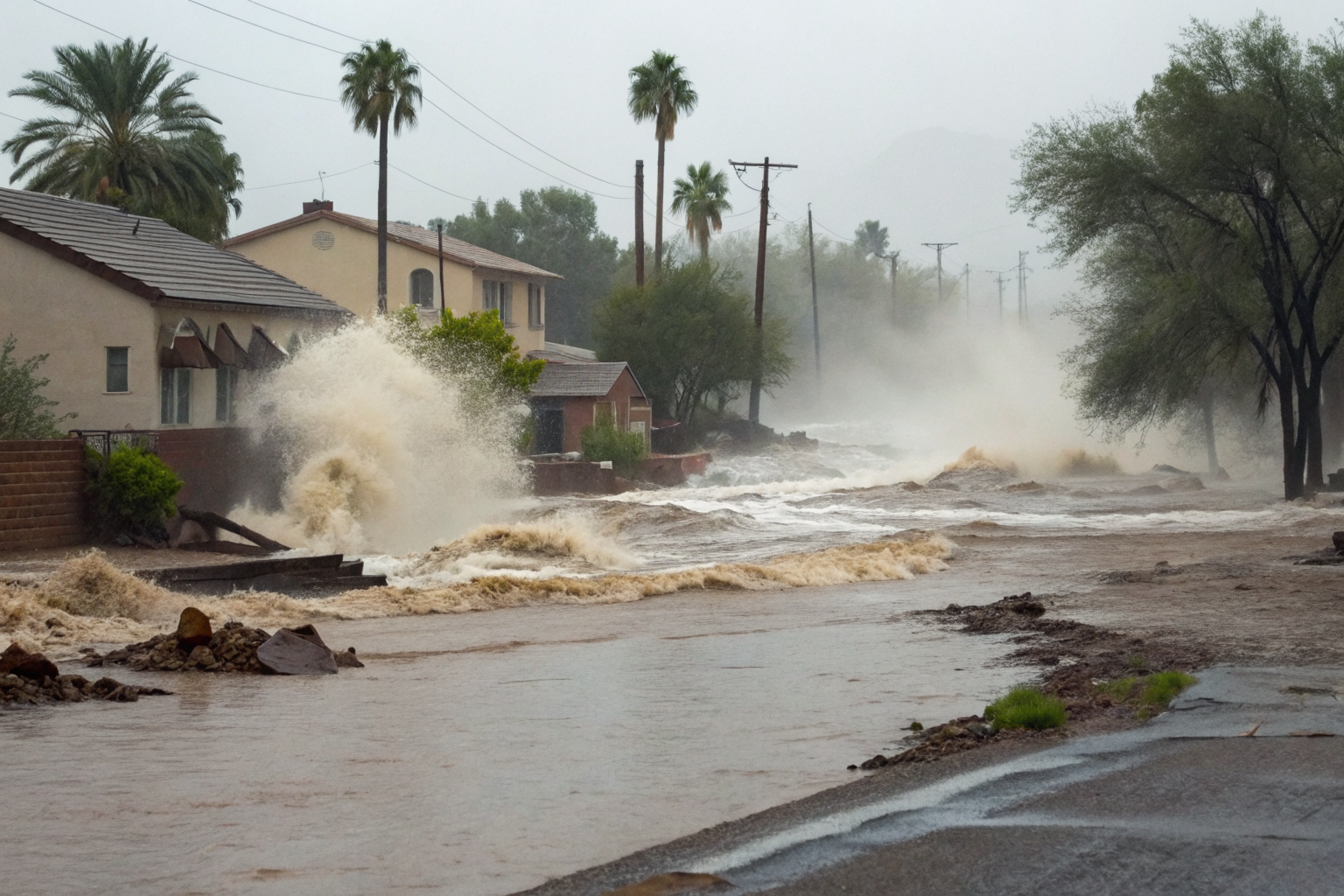
Flood insurance for Phoenix monsoon events is a separate policy, not a feature hiding in your homeowners coverage. As of 2025, standard Arizona HO-3 policies exclude flood damage by definition, and Phoenix monsoon flash floods have killed claims from homeowners who assumed otherwise. If you haven’t checked your policy, this article tells you exactly where the gap is.
Key Takeaways:
- Standard Arizona HO-3 policies exclude flood damage by definition, water that enters from the ground up, including monsoon-driven street flooding, is not covered regardless of how fast it moved or where it came from.
- NFIP flood policies carry a 30-day waiting period before coverage activates, per FEMA rules, buying one after a monsoon warning is issued is too late.
- Private flood insurance in Arizona can be bound faster than NFIP and may cover higher limits, but policy language varies significantly and must be reviewed against your specific FEMA flood zone designation before purchase.
What Arizona’s Standard Homeowners Policy Actually Says About Flood Damage
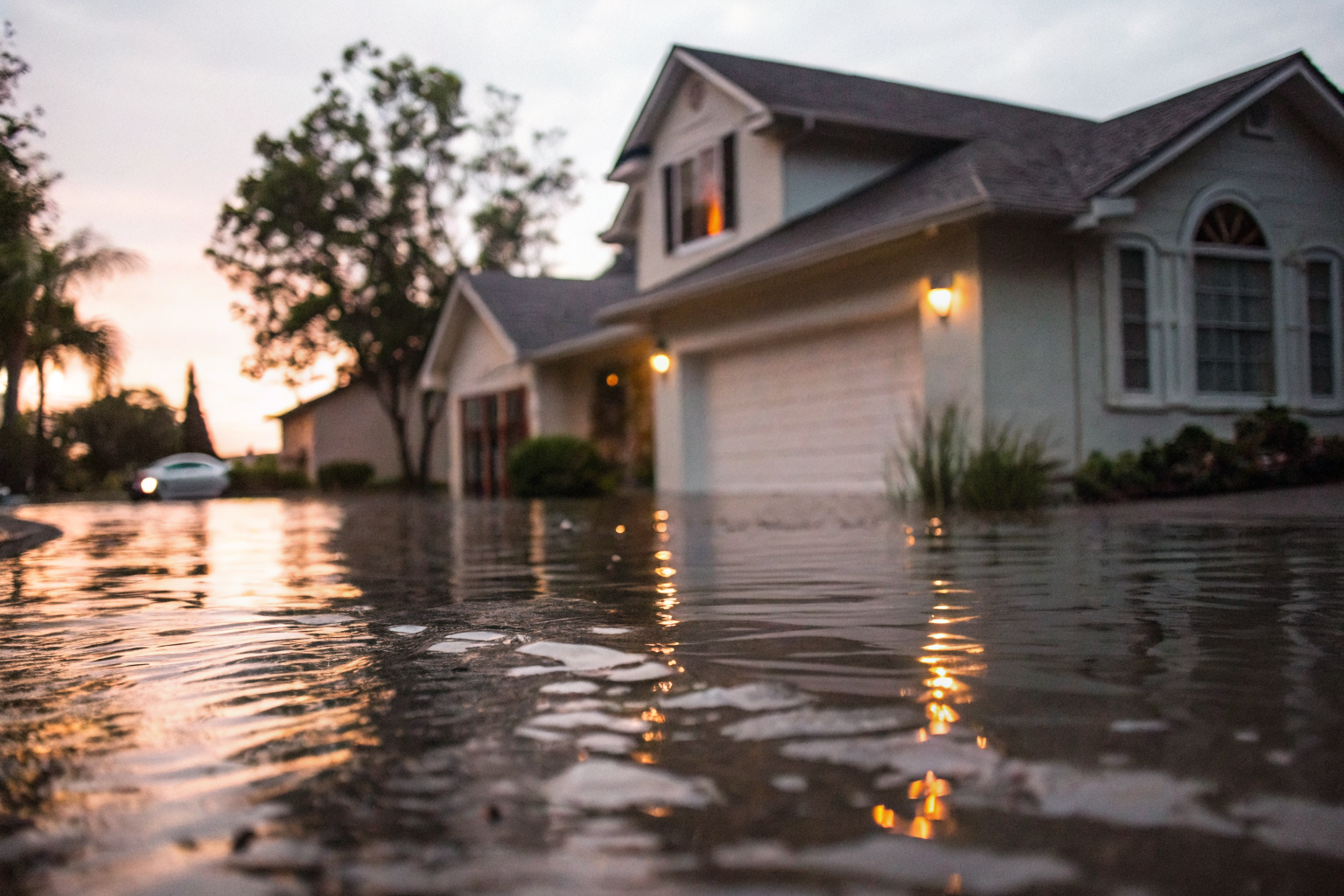
The flash flood exclusion is the specific language in your HO-3 policy that removes coverage for water entering your home from the ground up. This means surface water, storm surge, overflow from a body of water, and mudflow are all excluded perils, regardless of what caused them or how fast the water moved.
The ISO HO-3 form lists “flood, surface water, waves, tidal water, overflow of a body of water, or spray from any of these” as a named exclusion. That same language appears in the HOAIC Arizona HO-3 policy form filed with the Arizona Department of Insurance and Financial Institutions in March 2025. Your policy almost certainly contains a version of this clause.
Here is the distinction that matters most during AZ monsoon season: wind-driven rain that damages your roof is treated as a wind or hail peril. Water that flows across the ground and enters your home through a door, window, or foundation crack is treated as flood. Adjusters separate these two events at the point of origin, not the point of damage. You can have wind damage covered and flood damage excluded from the exact same storm.
So “it flooded inside my house” does not automatically trigger the flood exclusion. The question an adjuster asks is: where did the water come from? Monsoon sheet-flow across the ground, excluded. Rain entering through a wind-damaged roof, covered under a different peril, though subject to your wind/hail deductible. The source determines the outcome.
One thing worth flagging: the monsoon deductible structure in Arizona adds another layer to this. Your wind and hail deductible may be a percentage of your dwelling coverage, not a flat dollar amount. You can find a full breakdown of how that percentage deductible works in the context of your Arizona monsoon deductible, which affects how much you pay out of pocket even when the damage is covered.
Review your specific policy language with a licensed agent before monsoon season. The exclusion language above reflects the standard filed form, your policy may have endorsements that modify it.
How Arizona Monsoon Flash Floods Move, and Why That Changes Your Coverage
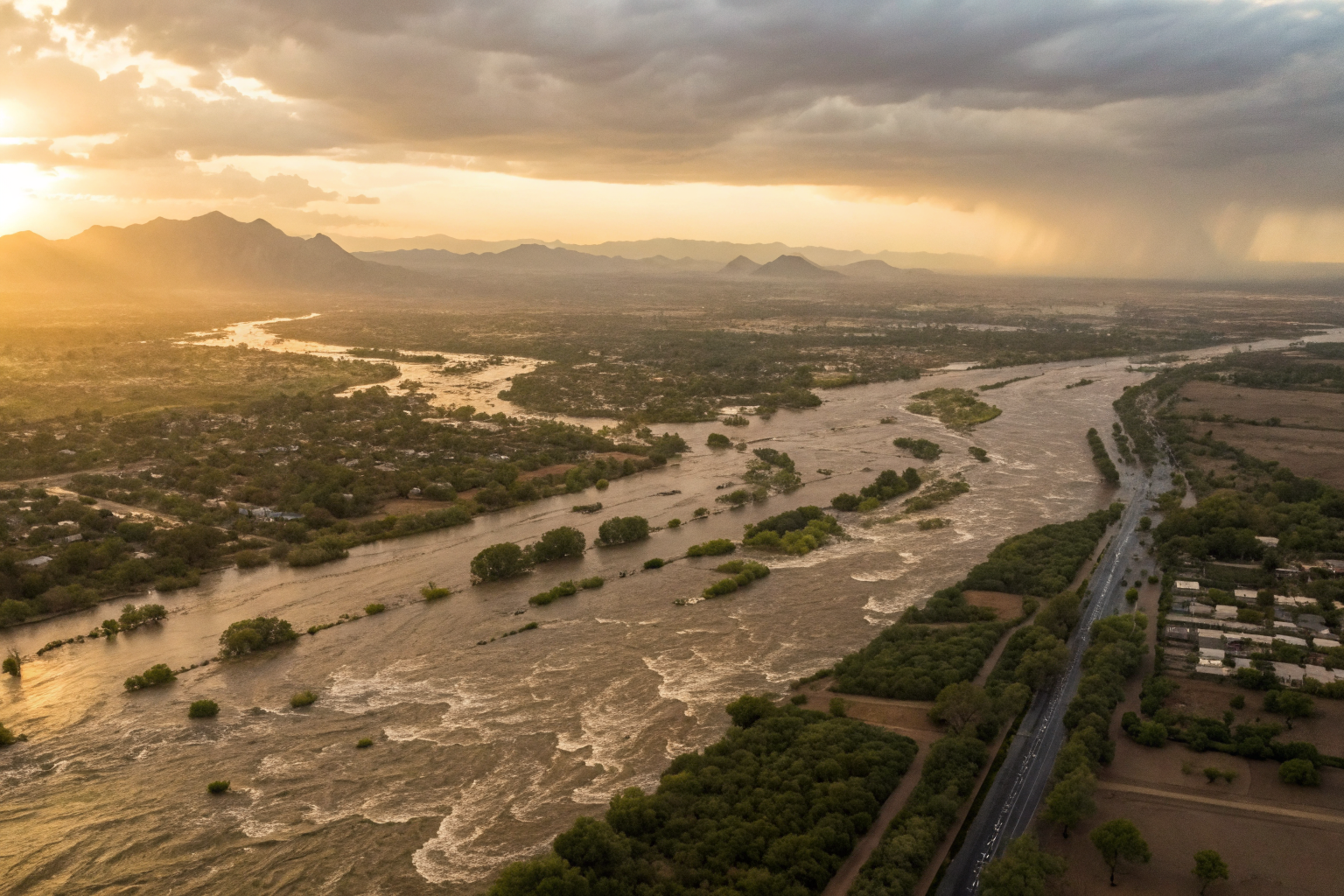
Phoenix monsoon flash floods behave differently from the flooding most insurance education describes. Understanding the physical mechanics explains why your FEMA flood zone designation may give you false confidence.
The Sonoran Desert’s hardpan caliche soil sheds water at a rate that surprises people who move here from other states. Rain that falls miles away from your neighborhood can surge through a concrete-lined wash and reach your street within minutes. The Maricopa County Flood Control District maintains over 2,000 miles of drainage infrastructure, per the district’s published capital improvement records, but the district has documented that intense localized storms can exceed the design capacity of older retention systems. When that happens, water goes somewhere it was never supposed to go.
Metro Phoenix uses an engineered system of retention basins, spreader dikes, and concrete channels to move storm water. That system works well for typical events. In a 100-year storm, retention basins overflow. Streets become channels. Water crosses property lines that appear nowhere on a flood map.
The FEMA zone designation for your property tells you the statistical risk FEMA has calculated for your parcel. A home in FEMA Zone X, which carries a minimal flood risk designation, can still experience ground-level flooding from a wash half a mile away during an extreme event. Zone X means the mapped probability is low. It does not mean flood water physically cannot reach your home.
FEMA Flood Insurance Rate Maps (FIRM panels) and Maricopa County Flood Control District maps are separate products. The county’s mapping tool may reflect more recent local drainage improvements that haven’t been incorporated into FEMA’s panels yet. Checking both gives you a more current picture of what the drainage system near your property was designed to handle.
This also connects to how monsoon insurance exclusions interact with the flood exclusion. The source of water, whether it arrives via sheet-flow, wash overflow, or retention basin failure, determines which exclusion applies. The physical path matters as much as the weather event.
NFIP vs. Private Flood Insurance for Phoenix Homeowners: What the Actual Difference Is

The National Flood Insurance Program (NFIP) is the federal program, administered by FEMA, through which most homeowners buy flood coverage. FEMA confirms Phoenix participates in the NFIP, community participation is required for federally backed mortgages on properties in Special Flood Hazard Areas, per FEMA’s Community Status Book. Private flood insurance is issued by standard insurance carriers and surplus lines companies, with terms set by each insurer rather than by federal regulation.
The NFIP caps building coverage at $250,000 for residential structures. That limit was set by statute and has not kept pace with construction costs in markets like Phoenix, where median home replacement costs now exceed that threshold in many neighborhoods. Private flood fills that gap, but you need to review the policy form before assuming it covers what you expect.
| Feature | NFIP | Private Flood Insurance |
|---|---|---|
| Maximum building coverage | $250,000 | Higher limits available (varies by carrier) |
| Maximum contents coverage | $100,000 | Higher limits available on some forms |
| Waiting period | 30 days (standard) | 10–14 days on some carrier forms; varies |
| Zone A/AE availability | Yes | Varies by carrier; some decline high-risk zones |
| Zone X availability | Yes | Varies; not all carriers write low-risk zones |
| Basement contents coverage | Not covered | Varies by policy form |
| Contents: ACV or RCV | Actual cash value (depreciated) | Replacement cost available on some forms |
| Standardized policy terms | Yes, federal form | No, each carrier sets its own language |
| Can be purchased without lender requirement | Yes | Yes |
| Satisfies lender flood requirement | Yes | Requires lender approval |
A lender requiring flood insurance on a property in a Special Flood Hazard Area will accept private flood, but you need written approval from the lender before substituting private flood for NFIP. Do not assume approval is automatic.
Arizona has no FAIR Plan equivalent for flood. If a standard carrier declines to write private flood on your property, your option is NFIP or a surplus lines flood policy. A licensed agent can help you identify which carriers are currently writing flood in your specific zone.
Consult a licensed agent to review specific policy forms before purchase. The table above reflects general program features, individual carrier forms vary.
What FEMA Flood Zone Designations Mean for Phoenix Addresses, and How to Look Yours Up
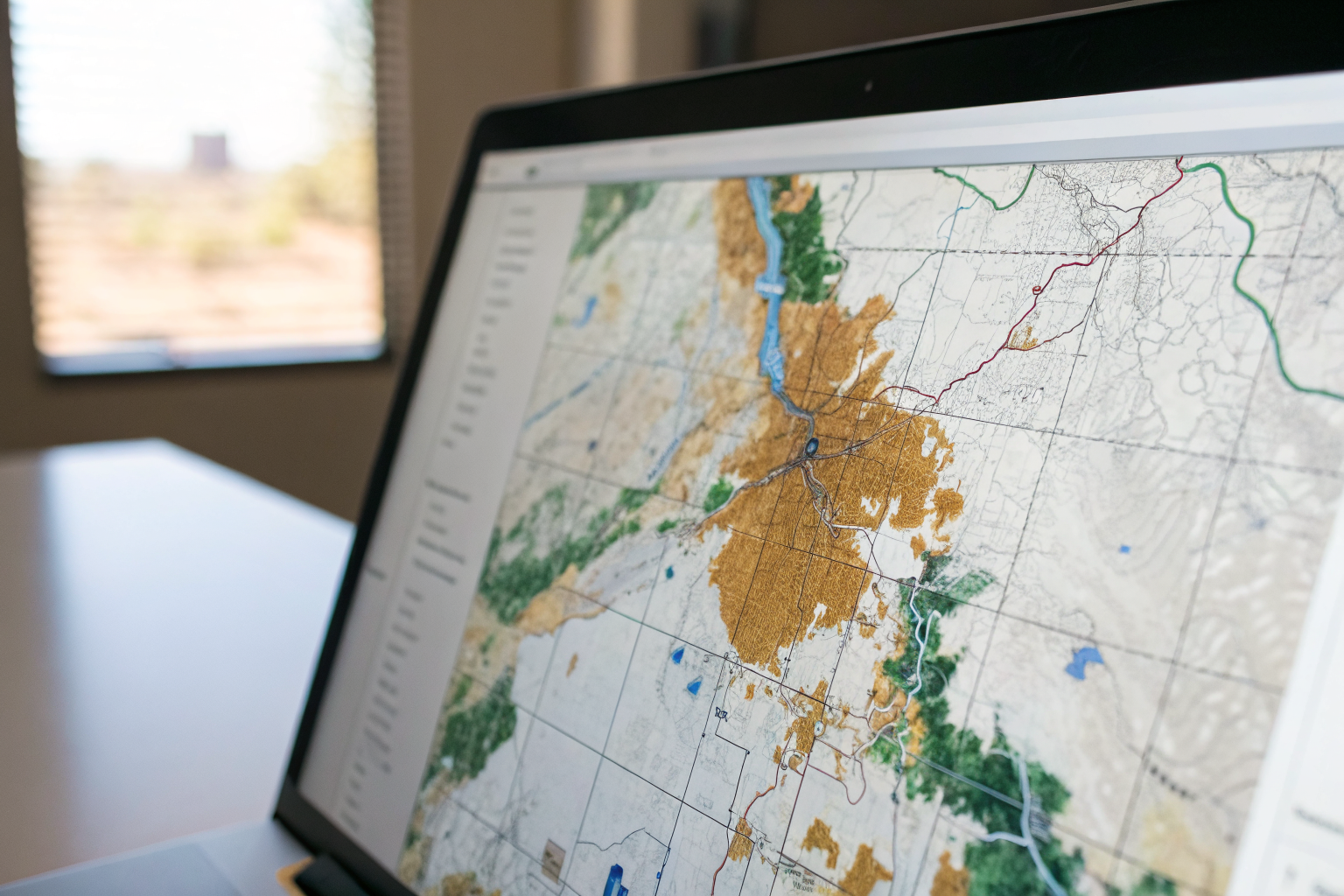
FEMA Flood Insurance Rate Maps assign flood zone designations that determine NFIP premium tiers for Phoenix properties. Knowing your zone is the starting point for deciding whether flood coverage makes financial sense for your address, and which product fits.
Here is how to look up your designation:
- Go to the FEMA Flood Map Service Center at msc.fema.gov and enter your full Phoenix-area property address.
- Pull up your Flood Insurance Rate Map (FIRM) panel for your parcel and identify which zone code applies to your lot.
- Read the zone designation: Zone A or AE means you are in a Special Flood Hazard Area with a 1% annual flood probability, lender-required flood insurance applies to federally backed mortgages here. Zone X (unshaded) means minimal risk with no lender requirement, though flooding remains possible. Shaded Zone X means moderate risk, roughly a 0.2% annual chance of flooding.
- Cross-check your address using the Maricopa County Flood Control District’s separate mapping tool, available through the district’s website, which may reflect local drainage improvements not yet incorporated into FEMA’s panels.
- If your property has been elevated above base flood elevation through grading or fill, ask a licensed agent or surveyor whether a Letter of Map Amendment (LOMA) could formally reclassify your parcel, this can reduce NFIP premium costs if your current zone designation no longer reflects the actual ground elevation.
FEMA’s Risk Rating 2.0 system, which replaced the legacy zone-based pricing model in October 2021, considers property-specific factors including distance to water, building characteristics, and cost to rebuild, per FEMA’s official Risk Rating 2.0 methodology documentation. Your NFIP premium is now based on your individual property profile, not just your zone code. Two homes in the same Zone AE block can have meaningfully different premiums under this system.
If your zone lookup raises questions about HOA-owned drainage infrastructure or shared retention basin liability, that often connects to a broader HOA master policy and HO-6 gap issue worth reviewing separately.
The 30-Day Waiting Period Trap, and the Only Three Times It Doesn’t Apply

The NFIP 30-day waiting period prevents coverage from activating for flood policies purchased within 30 days of a flood event. Under FEMA’s standard NFIP terms, a flood policy does not take effect until 30 days after the application date and premium payment. No exceptions exist for urgency, severity, or proximity to a storm.
The National Weather Service defines the official Arizona monsoon season as June 15 through September 30. A policy purchased on July 1 after seeing neighborhood flooding on the news does not cover a flood event on July 15. You are paying a premium for coverage that cannot help you until mid-August at the earliest.
Three situations waive or shorten the waiting period:
- Lender-required purchase at closing. When a lender requires flood insurance as a condition of a new loan or refinance, the policy takes effect at closing with no waiting period. This is the most common waiver scenario Phoenix homeowners encounter.
- FEMA map revision moving you into a higher-risk zone. When FEMA revises a flood map and your property moves into a Special Flood Hazard Area, you have a 13-month window during which a one-day waiting period applies if you purchase within that window. This window closes, so act when you receive a map revision notice.
- NFIP policy renewal without a lapse. A continuous renewal with no gap in coverage carries forward with no new waiting period. Letting your NFIP policy lapse and then reinstating it resets the 30-day clock.
Private flood insurers set their own waiting periods. Some carriers offer 10 to 14 days, which is meaningfully better than 30 days if you are buying coverage in late spring. Confirm the waiting period in writing before relying on it, carrier terms vary and can change at renewal.
The right time to buy flood insurance in Phoenix is before June 15. After that date, the 30-day clock means any new NFIP policy is effectively useless for the first month of monsoon season.
For guidance on what to do after a flood event occurs, including how to document a monsoon claim in Arizona, having that process understood in advance is as important as having the coverage itself.
Frequently Asked Questions
Is flood damage from an Arizona monsoon covered by homeowners insurance?
Standard Arizona HO-3 homeowners policies exclude flood damage, which includes surface water, storm surge, and water that enters a home from the ground up, even when a monsoon storm causes it. Wind damage to your roof during the same storm may be covered under a separate wind/hail deductible, but the flooding itself requires a separate flood policy, either through the NFIP or a private flood insurer. Review your specific policy language with a licensed agent to confirm how your form handles both perils.
Do I need flood insurance if I’m not in a flood zone in Phoenix?
Lenders only require flood insurance for federally backed mortgages on properties in FEMA Special Flood Hazard Areas, but roughly 25% of NFIP flood claims come from properties outside high-risk zones, according to FEMA. Phoenix’s monsoon hydrology, including desert washes and engineered drainage that can overflow in extreme events, means a low-risk FEMA zone designation does not guarantee your property is physically safe from surface flooding. A licensed agent can review your specific address against both FEMA FIRM maps and Maricopa County Flood Control District data to give you a clearer picture.
How long does it take for NFIP flood insurance to take effect in Arizona?
NFIP flood policies carry a standard 30-day waiting period before coverage activates, per FEMA’s program rules, a policy purchased on July 1 during monsoon season does not cover a flood event that occurs on July 15. The waiting period is waived in limited circumstances, primarily when a lender requires flood insurance at closing on a new loan. Some private flood insurers offer shorter waiting periods, but terms vary by carrier and should be confirmed in writing before you rely on them.
This article provides general educational information about flood insurance in Arizona. Policy terms, exclusions, and coverage availability vary by carrier and individual property. Consult a licensed Arizona insurance agent to review your specific policy language and flood zone status before making coverage decisions.