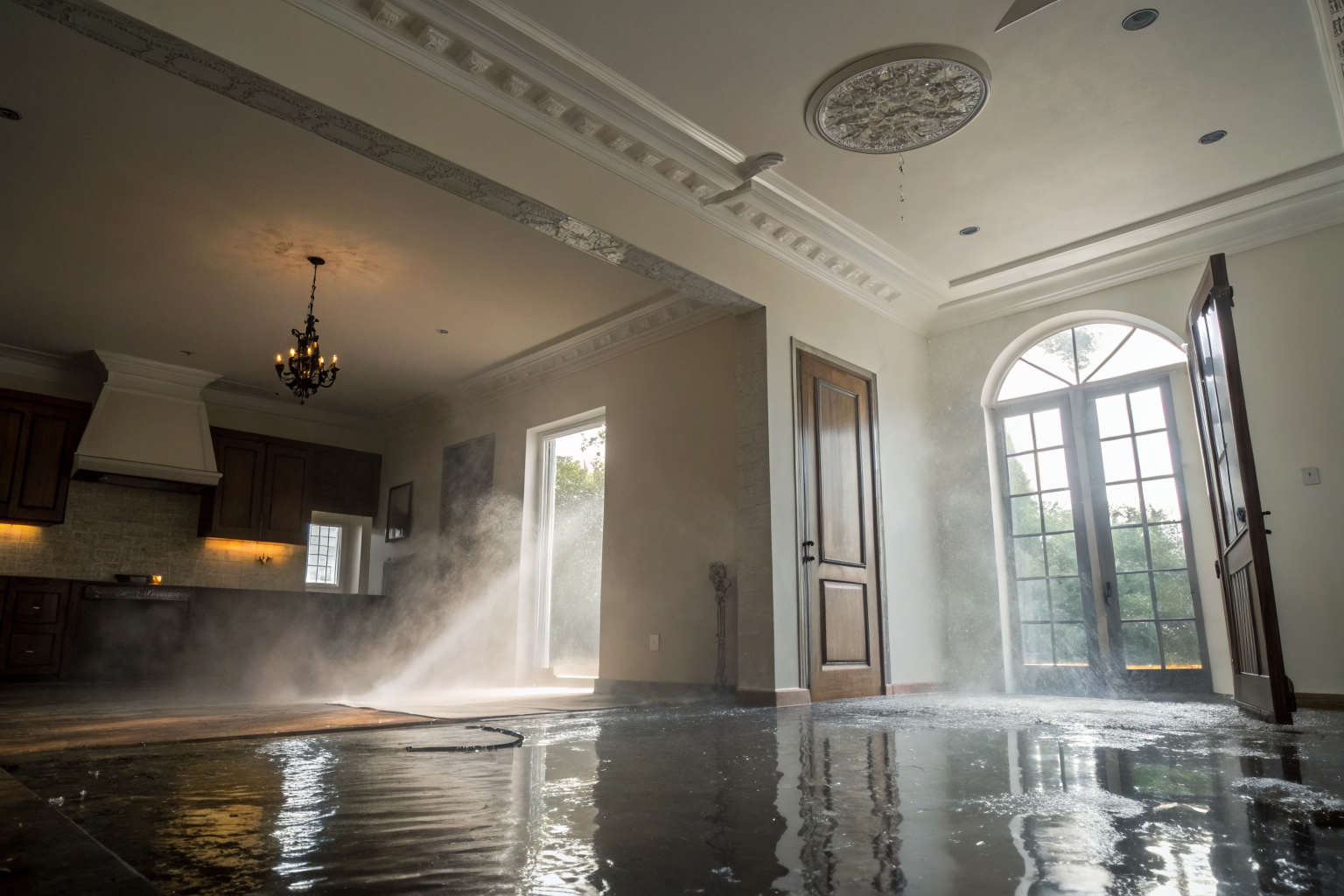
Hidden water damage signs home inspectors and adjusters both look for are rarely dramatic. Arizona ranks third nationally in non-weather water damage costs (Insurance Information Institute), and most of that damage was invisible for months before it became a claim.
Key Takeaways:
- Hidden water damage in Arizona homes most often starts behind tile, under slabs, or inside wall cavities, places a visual walk-through won’t catch until staining, buckling, or odor appear at the surface.
- The standard HO-3 policy denies gradual water damage as a matter of course, meaning every week you don’t find it is a week closer to a coverage void, not a covered claim.
- Seven specific DIY inspection points, including water meter stillness tests and cabinet-base deflection checks, can surface a hidden leak before it crosses the threshold from covered sudden loss to denied gradual damage.
What Hidden Water Damage Signs Actually Look Like in an Arizona Home

Hidden water damage is damage that has been accumulating inside wall cavities, under slabs, or behind tile without visible surface evidence. This means a homeowner can walk through a room, see nothing alarming, and still be standing two feet away from a slow leak that has been running for six weeks.
Arizona’s climate makes this worse, not better. Desert heat dries surface moisture fast. A wet baseboard will look and feel normal within hours of a slow drip stopping. The rot and mold forming inside the wall cavity continue regardless. The surface gives you nothing to see, and the damage clock keeps running.
The coverage implication of that clock is the whole point. A standard HO-3 policy covers water damage from a sudden and accidental event, a pipe that bursts, a supply line that fails without warning. The same policy denies water damage the carrier classifies as gradual, meaning damage that built up over days, weeks, or months. Hidden water damage produces surface cues a homeowner can identify before calling an adjuster, and those cues are what separates a covered claim from a denied one.
AZ ranks third nationally in non-weather water damage costs (Insurance Information Institute). The word “non-weather” matters here. This is not monsoon flooding or roof punctures from a storm. This is slow leaks, failed supply lines, and water migrating through masonry, the exact category where the sudden-vs-gradual distinction decides the outcome. AZ monsoon season adds a second wave of risk each summer, but the baseline problem exists year-round.
Finding the signs early is the only lever you have. The hidden water damage endorsement arizona carriers offer can expand what counts as a covered loss, but no endorsement covers damage you knew about and ignored. Early detection preserves your options. Missing the signs removes them.
For a full overview of how water claims work under Arizona policy forms, the arizona insurance guide covers the broader coverage structure these rules sit inside.
The Room-by-Room Hidden Water Damage Signs Checklist
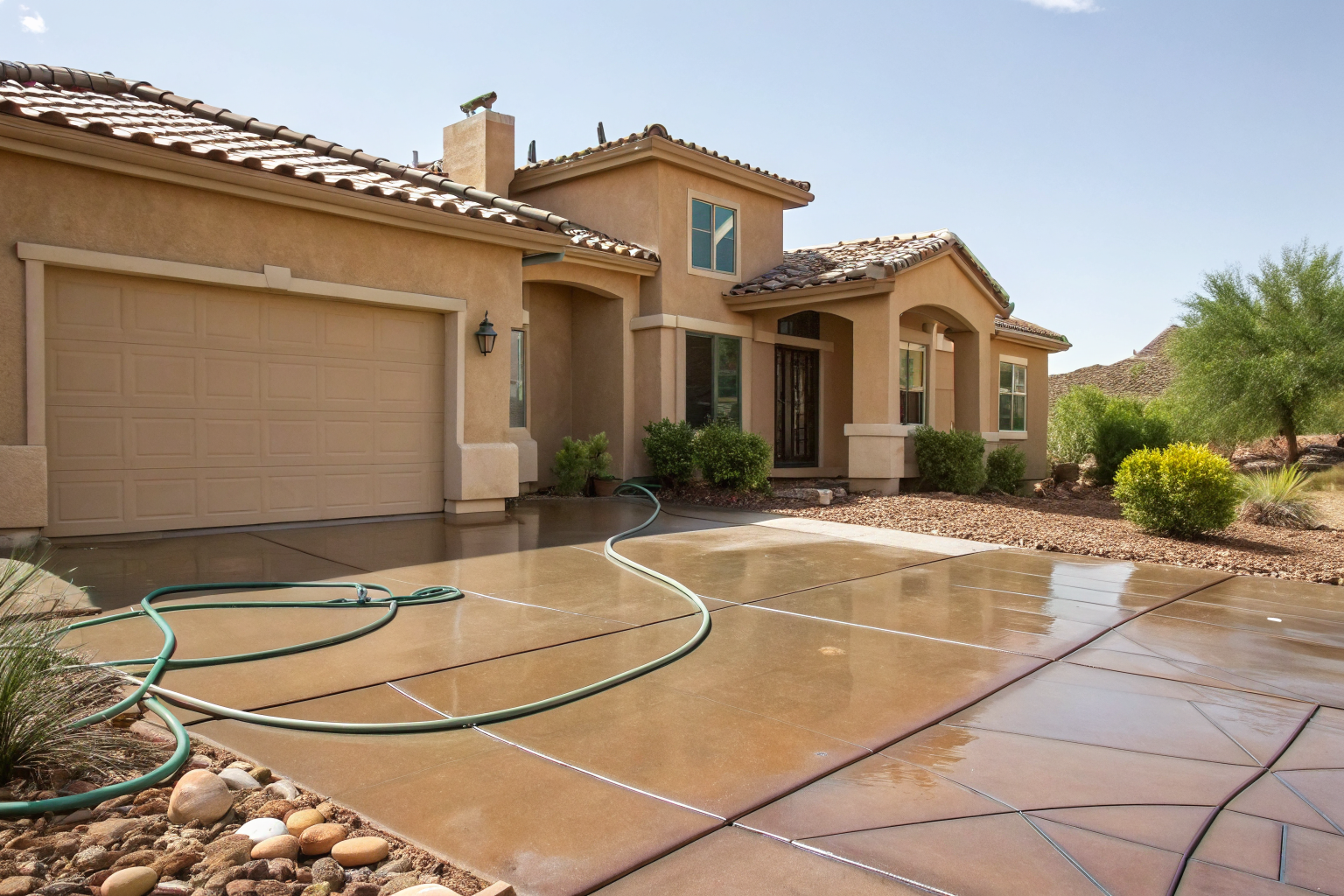
This is not a generic national list. Arizona homes have specific failure patterns tied to tile construction, slab foundations, monsoon-season attic intrusion, and the rubber supply-line hoses that were standard equipment in homes built before 2010. Run this checklist before storm season opens.
Kitchen, cabinet-base deflection and supply-line staining. Press on the floor of the cabinet under your kitchen sink with your palm. Particleboard that deflects or feels soft has absorbed moisture, usually from a supply-line drip that has been running long enough to soak through. Check the back wall of the cabinet for white mineral staining, which marks where water has been evaporating repeatedly. Also check the grout line where backsplash tile meets the countertop; discoloration or missing grout there lets water behind the wall with every splash.
Bathrooms, tile surround pressure test and vanity base. Press on grout joints at the tub or shower surround, especially in the lower two rows near the floor. Grout that flexes or feels hollow means the tile has separated from the substrate behind it, and water is getting through every time someone showers. Check the drywall on the exterior side of the tub wall if accessible. At the vanity, check the base of the cabinet for swelling particleboard, same soft-floor test as the kitchen.
Laundry room, supply-line hose condition and floor drain. Rubber washing machine supply-line hoses are a documented sudden-loss origin in Arizona homes. Restoration contractors consistently flag them as a high-failure item. The swap to braided stainless hoses is inexpensive and removes one of the more common claim origins. While you’re there, check the floor drain for sludge backup, which can indicate the drain is partially blocked and will overflow if the machine discharges during a malfunction.
Water heater closet, mineral ring on the floor pan. Look at the floor pan around the base of the water heater. A white or rust-colored mineral ring marks where water has been pooling and evaporating, which means the unit has been weeping at the base. This is pre-failure evidence. The failure itself, when the tank lets go, is a sudden loss. The weeping stage before it is a warning you have time to act on.
Attic, roof deck staining after a storm event. AZ monsoon season turns the attic into a primary entry point for water. After any significant storm, go into the attic and look at the underside of the roof deck sheathing for dark staining patterns. Check for daylight gaps around pipe boots, vent penetrations, and any point where a trade has cut through the deck. New staining on old wood tells you water came in recently. Old staining on currently dry wood tells you it came in before, worth knowing either way.
Exterior wall baseboards, soft material at floor level. Walk every room and press on baseboards along exterior walls, particularly on the north and west faces of the house where slab moisture tends to migrate. Baseboard material that feels soft, sounds hollow when tapped, or has paint bubbling at the floor line is absorbing moisture from below or behind. This is one of the most consistent early-detection cues in Arizona slab-foundation homes.
Water meter stillness test, active leak confirmation. Shut off every water fixture in the house, including the ice maker and any irrigation system. Go to the meter at the street and watch the small dial or digital flow indicator for ten minutes without touching anything inside. Any movement in the meter means water is flowing somewhere in the system. This test costs nothing and will confirm an active leak even when you cannot see or hear one anywhere in the house.
Finding damage during this inspection, before a storm or before a claim event, preserves the sudden-loss framing if an active leak is confirmed and fixed quickly. The slow leak vs burst pipe coverage distinction that decides most water claims comes down to whether you knew or should have known the problem existed. A dated inspection record showing you looked and didn’t find it is useful documentation.
Mold vs. Water Damage: How to Tell Which Problem You Have
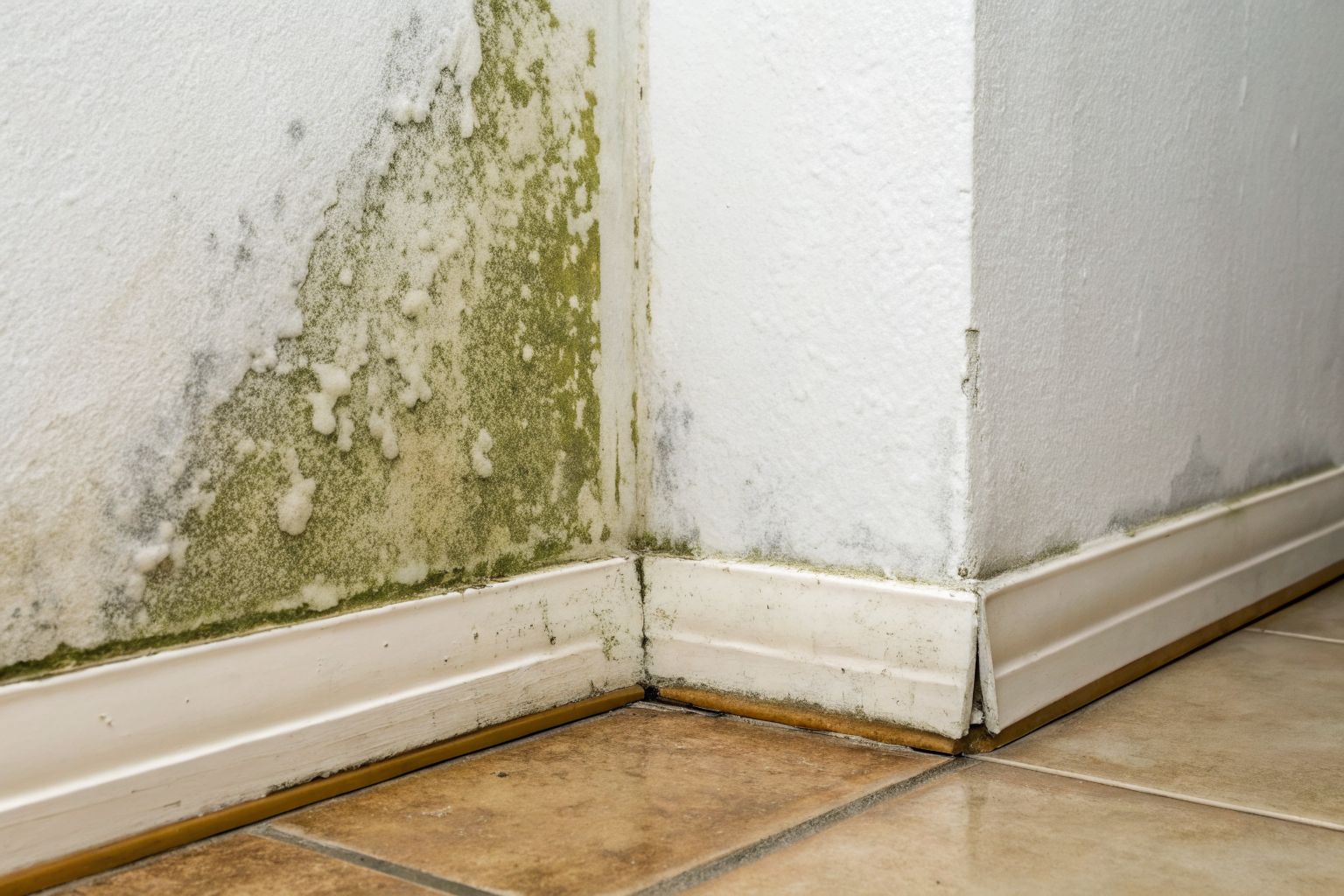
Mold presence signals a water intrusion timeline that changes both the remediation scope and the claims outcome. The two problems are related but not interchangeable under an HO-3 policy, and confusing them at the wrong moment costs homeowners real money.
Many homeowners discover mold and assume it means water damage is covered. The more precise read is this: mold is downstream evidence of water damage. Most standard HO-3 policies exclude mold remediation as a standalone event but will cover mold as a consequence of a covered water event. The distinction matters enormously at claim time. The hidden water damage endorsement expands the sudden-vs-gradual definition but does not override the mold exclusion when mold is treated as the primary problem rather than a byproduct of a covered loss.
Most standard HO-3 forms cap mold remediation, when covered as a consequence of a covered loss, at $5,000 to $10,000. The HOAIC Arizona HO-3 (DIFI-filed March 2025) is one reference form; the exact sublimit varies by carrier and endorsement. Knowing that cap before you call a remediation contractor changes how you document and sequence the claim.
| Observable Sign | What It Likely Means | Claims Implication |
|---|---|---|
| Dark staining on drywall, no musty smell | Surface moisture, possibly recent | May still be sudden-loss eligible if the source is recent and identifiable |
| Musty odor without visible staining | Mold colony behind wall, weeks to months of moisture | Gradual-loss red flag; carrier will look hard at timeline |
| Black or green growth on grout or caulk | Surface mold, typically cosmetic | Usually excluded regardless of policy; not structural damage |
| Efflorescence (white mineral crust) on block or concrete | Long-running moisture migration through masonry | Almost always gradual; standard HO-3 denies this category |
| Soft or hollow drywall that sounds different when tapped | Active or recent saturation | May still be in sudden-loss territory depending on the origin, document before disturbing |
The table reads left to right as a triage tool. The smell-without-staining row is the one most homeowners underestimate. A musty closet or cabinet with no visible marks usually means a mold colony has been growing behind the surface for weeks. That timeline is exactly what an adjuster will use to place the loss in the gradual category.
What Does the Hidden Water Damage Endorsement Cover, and When Should You Call a Pro Instead of Filing Immediately?

The hidden water damage endorsement expands coverage for gradual losses that a standard HO-3 would otherwise deny, up to the endorsement sublimit. In plain terms, it broadens what counts as a covered event to include damage concealed inside walls, floors, or ceilings that a reasonable homeowner could not have detected during normal use. Without the endorsement, a carrier can deny any loss where the damage looks like it accumulated over time, regardless of how carefully you maintained the house.
This section is not a repeat of the full hidden water damage endorsement arizona explainer already available on this site. The specific question here is narrower: when you find something suspicious, do you call the insurance company first, or do you call a contractor?
The answer depends on what you found.
If you find moisture, staining, or a soft floor but no active dripping source, call a leak detection professional before filing FNOL. A licensed contractor with thermal imaging or a moisture meter can produce a written report that identifies the source and dates the inspection. That report, filed before the first notice of loss, supports a sudden-loss finding even when the damage looks like it has been sitting for a while. It changes the narrative from “homeowner found old damage” to “homeowner found concealed damage and documented it properly.” Thermal imaging moisture assessments in the Phoenix metro run $150 to $400, based on contractor pricing patterns across the area.
If you find an active, running, unexpected leak, a burst supply line, a failed valve, an appliance rupture, photograph it before touching anything, shut off the water supply, and then call FNOL the same day. Active unexpected leaks are the textbook definition of a sudden and accidental loss. File the claim while the evidence is fresh.
The single most common way a valid hidden-damage claim gets assigned to the gradual category is filing FNOL before you know the origin of the water. The adjuster’s first visual inspection sets the narrative. Walking in without a leak detection report, when the damage looks old, gives the adjuster almost no reason to categorize the loss as sudden.
One other timing note: if you have seen your carrier raised deductible at renewal recently, confirm your current deductible before any claim conversation. A weather or water deductible that changed at renewal without your notice changes the math on whether a professional inspection makes sense before filing.
The Pre-Monsoon Inspection Window: Why June Is the Right Month to Run This Checklist in Arizona
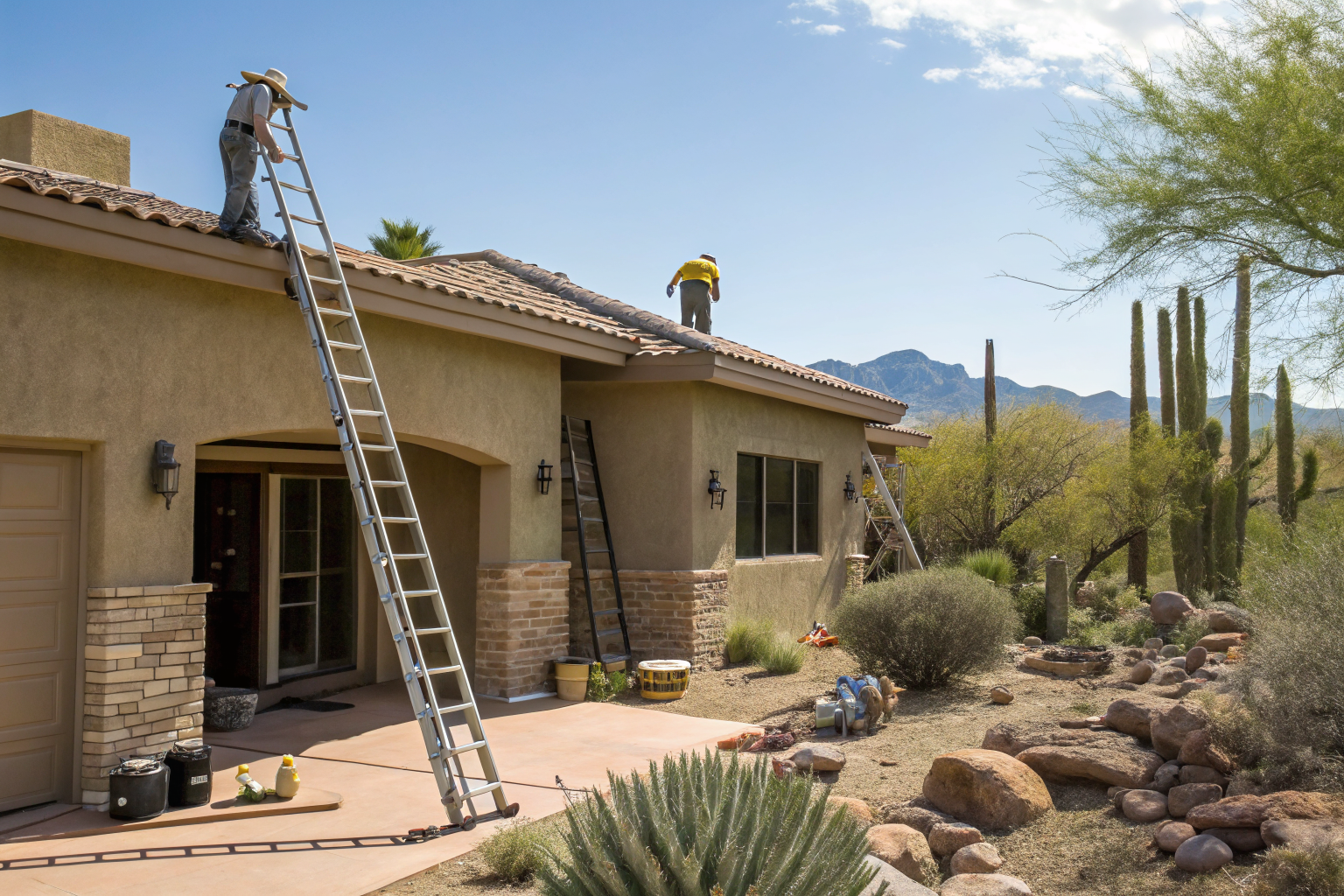
Arizona’s monsoon season runs June 15 through September 30, per the National Weather Service. Running this checklist in May or early June gives you the maximum remediation time before the highest-risk period opens. Pre-existing hidden water damage that meets an active monsoon event can go from a manageable repair to a denied claim in the span of one weekend.
Arizona monsoon season creates an annual high-risk window where pre-existing hidden water damage becomes claim-eligible or claim-voiding depending on inspection timing. Here is the sequence to run before July 1.
Run the water meter stillness test. Shut off all interior fixtures and watch the meter for ten minutes. Finding an active slow leak before storm season means you can remediate it on your schedule, not the adjuster’s. Any movement in the meter is a reason to call a leak detection contractor this week.
Inspect the attic deck and roof penetrations. Look for staining patterns from last monsoon season. Check that flashing at pipe boots and vents is seated tight. A roofer’s pre-season inspection runs $75 to $150 in the Phoenix metro and costs a fraction of what a denied claim costs. Solar panel storm damage claims, for homeowners with panels, often trace back to a flashing failure the panel installation disturbed, worth checking at the same time.
Walk every exterior wall’s interior baseboard. Note any soft spots, paint bubbling, or efflorescence. Photograph and date-stamp every finding. A dated photo taken before storm season is useful documentation if the same area shows up on a post-monsoon claim.
Check every under-sink cabinet with the paper towel test. Place a dry paper towel flat on the cabinet floor, close the door, and leave it for 24 hours. Any moisture on the towel when you reopen means an active slow drip is present. This test catches supply-line weeping that is too slow to pool visibly.
Review your policy’s hidden water damage endorsement status before storm season opens. If you do not have the endorsement, that is a coverage-gap conversation to have in May or early June, not in August after a claim is pending. An annual policy review before monsoon season is the right time to surface a missing endorsement, a hoa master policy ho-6 gap, or any other coverage question your current carrier has not answered. If you are uncertain what your policy says, that question is easier to resolve before the storm than after.
Frequently Asked Questions
What are the first signs of hidden water damage in a house?
The earliest signs are soft or deflecting baseboards along exterior walls, a musty odor inside cabinets or closets, and a water bill that has crept up without explanation. In Arizona homes specifically, efflorescence, a white mineral crust on block walls or slab edges, is an early indicator of long-running moisture migration through masonry that most homeowners miss until the damage has already crossed into gradual-loss territory under their policy.
How do I detect hidden water damage behind walls without tearing them open?
The most reliable DIY method is the water meter stillness test: shut off all fixtures and watch the meter dial for ten minutes, because any movement confirms an active leak somewhere in the system. For more precise detection, a licensed leak detection contractor can run thermal imaging or a moisture meter scan across wall surfaces for $150 to $400 in the Phoenix metro, identifying wet areas without opening any drywall.
Will homeowners insurance cover water damage that was hidden inside a wall?
A standard HO-3 policy covers water damage from a sudden and accidental event, such as a burst pipe, but denies damage the carrier classifies as gradual, meaning it accumulated over days, weeks, or months. The hidden water damage endorsement expands that definition to include damage concealed inside wall cavities or under floors that a reasonable homeowner could not have detected, but the endorsement carries sublimits and still requires that the damage was not visible or ignored before the claim.