
This Arizona insurance guide exists because most homeowners find out what their policy does at the worst possible moment, when the adjuster shows up after a monsoon and the number they quoted you isn’t the number that matters. As of 2026, the gap between what AZ policies promise and what they pay has never been wider.
Key Takeaways:
- Arizona weather deductibles run 1–5% of your home’s main coverage, on a $500,000 home at 5%, that’s $25,000 out of pocket before insurance pays a cent, and your carrier can raise that figure at renewal without making sure you noticed.
- AZ ranks third nationally in non-weather water damage costs according to the Insurance Information Institute, making hidden water damage one of the most expensive uncovered surprises in Phoenix-metro claims.
- Arizona’s minimum auto liability limits (25/50/15 under ARS 28-4009) leave most drivers dangerously underinsured, a single at-fault accident in a Phoenix suburb can exceed those limits before the ambulance leaves the scene.
What Makes Arizona Insurance Different From Every Other State

Arizona insurance services operate under a specific regulatory structure that most other states don’t replicate exactly, and the differences cost homeowners money when they don’t know about them.
The regulator. The Arizona Department of Insurance and Financial Institutions, DIFI, regulates all insurance carrier filings, rates, and policy forms sold in the state. That means every homeowners policy, every auto policy, and every commercial form your carrier issues in Arizona has been filed with and approved by DIFI before it reaches you. DIFI also handles consumer complaints, licenses all resident and non-resident producers, and investigates carrier conduct. Paul Gebhard’s producer license (#6724577) has been active under Property, Casualty, Life, and Accident & Health lines of authority since 1997, that licensing record is public and searchable through DIFI’s online portal.
The statutory backbone. Arizona Revised Statutes govern what carriers can and can’t do. Two statutes matter most for homeowners and drivers. ARS 20-1652 is the non-renewal framework, it defines the notice requirements carriers must follow before they can terminate your policy. ARS 28-4009 is the auto liability floor, it sets the minimum coverage amounts every driver in Arizona is required to carry. These aren’t guidelines. They’re the legal floor, and understanding them changes how you read a renewal notice or a coverage offer.
Three underwriting realities that are specific to Arizona. First, percentage weather deductibles: most AZ homeowners policies carry a separate deductible for wind, hail, or monsoon damage that isn’t a flat dollar amount, it’s a percentage of the main coverage on your home. Second, monsoon season claim patterns: the June-through-September monsoon season produces a volume and type of water and wind damage that carriers in Minnesota or Virginia don’t price for. Third, tile-roof age underwriting: Arizona’s dominant roofing material has a lifecycle that carriers track and penalize as roofs age past 20 years, independent of visible damage.
The standard policy form. An HO-3 homeowners policy is the standard residential insurance form filed with DIFI and used across most of the admitted market in Arizona. Think of it as the template, individual carriers modify it with endorsements, but the six-part coverage structure (A through F) is the common frame. Most of what surprises Arizona homeowners at claim time comes from the gaps inside that frame, not from exotic policy language.
A note before going further: every property situation is different. The information here is educational. Consult a licensed Arizona insurance producer for advice specific to your property, your location, and your current policy terms.
How Arizona Homeowners Insurance Actually Works (And Where Most People Get Surprised)
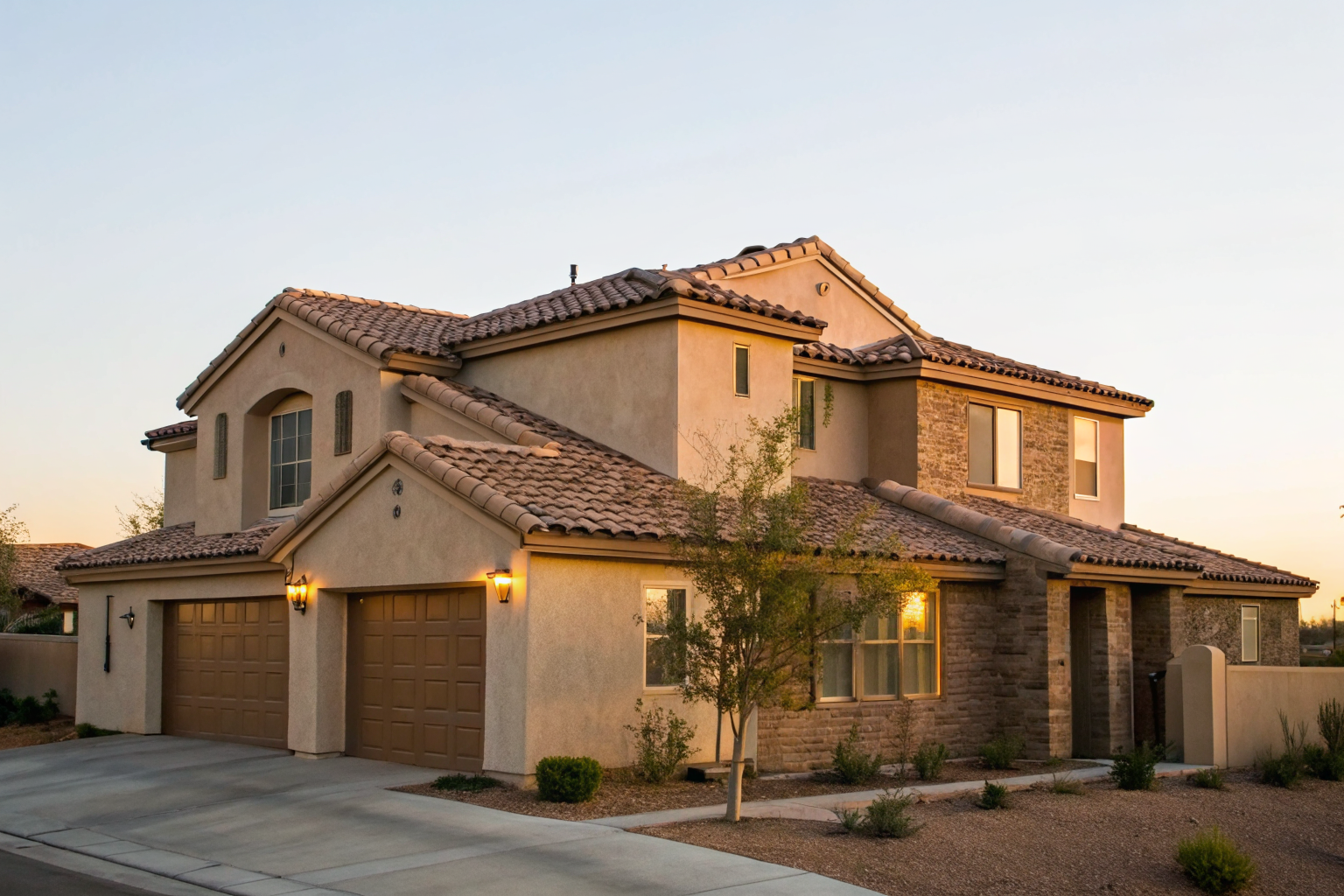
Homeowners insurance in Arizona isn’t one thing. The HO-3 policy covers the structure of your home under open-peril rules, meaning it pays for damage from any cause that isn’t excluded, but it covers your personal belongings under named-peril rules, meaning it only pays if the cause of damage is specifically listed. That gap is where most policyholders make a wrong assumption, and the wrong assumption usually surfaces during a claim.
The six parts of a standard homeowners policy, translated into plain language:
| Coverage Part | Plain-Language Label | What It Covers | Common AZ Exclusions or Gaps |
|---|---|---|---|
| Coverage A | The structure of your home | Damage to the main dwelling, roof, walls, foundation, attached garage | Flood (ground water), earth movement, wear and tear, vacancy-triggered voids |
| Coverage B | Other structures | Detached garage, fences, guest house, shed | Same flood/earth exclusions; separate deductible may apply |
| Coverage C | Your belongings | Furniture, clothes, electronics, appliances, but only for listed (named) perils | Theft sublimits, no coverage for perils not named; depreciation applies under ACV |
| Coverage D | Living expenses if you can’t stay | Hotel, meals, rental costs while your home is being repaired | Time and dollar caps vary by carrier; vacancy clauses can affect eligibility |
| Coverage E | Personal liability | If someone is injured at your property and sues you | Intentional acts, business activities conducted from home, STR guest injuries under most standard forms |
| Coverage F | Medical payments | Minor injury treatment for guests, no lawsuit required | Low sublimit (typically $1,000–$5,000); not a substitute for liability coverage |
The Percentage Deductible Trap
The percentage deductible is the single most misunderstood feature of Arizona homeowners insurance, and it costs people thousands of dollars after monsoon damage.
A common assumption is that your deductible is a flat dollar amount, $1,000, maybe $2,500. The reality is that most AZ policies carry a separate weather deductible that works differently. Per the approved stat hook from Insurance Information Institute data: your weather deductible can be anywhere from 1% to 5% of your home’s main coverage. On a $500,000 home at 5%, that’s $25,000 out of pocket, and your carrier can raise that number at renewal without making sure you notice.
That’s not a fine-print edge case. That’s the monsoon deductible in Arizona, and most homeowners discover it after the storm.
The mechanics matter here. The weather deductible applies specifically to wind, hail, or monsoon-related claims. Your standard flat deductible still applies to everything else, a kitchen fire, a burst pipe in winter. So you may actually be carrying two deductibles on the same policy without knowing it. Review your declarations page and find the line that says “wind” or “hail” or “named storm”, that’s where the percentage lives.
For homeowners in the Phoenix metropolitan area and across Maricopa County, this is especially important because the monsoon season (June through September, per NOAA and the National Weather Service) produces both wind-driven rain and flash flooding, often in the same storm event.
What Monsoon Coverage Actually Means
Water that enters your home through wind-driven rain, a lifted roof panel, a broken window, rain coming in sideways through a damaged soffit, is typically covered under Coverage A. Water that enters through the ground, through a flooded wash, through storm drain backup, or through surface flooding is not. That’s flood damage, and it falls under the National Flood Insurance Program, not your standard HO-3.
Arizona ranks third nationally in non-weather water damage costs, according to the Insurance Information Institute. That number includes plumbing failures, appliance leaks, and slow leaks behind walls, not flood events. Most of that damage qualifies for an add-on most AZ homeowners have never heard of. The hidden water damage endorsement for Arizona policies is the coverage gap worth asking about before the next monsoon, not after.
Material Misrepresentation and Why Disclosure Hygiene Matters
Material misrepresentation is when a carrier argues, at claim time, that you failed to disclose something important when you applied for or renewed your policy. This means the carrier has grounds to deny the claim, reduce the payout, or void the policy entirely.
In practice, the most common triggers in Arizona are: an undisclosed solar system (a typical AZ installation runs $40,000 to $60,000 and changes your roof load, your electrical system, and your rebuild cost), an undisclosed remodel that raised your home’s value, an undisclosed short-term rental arrangement, or an undisclosed driver on an auto policy. None of these require intent to deceive. The carrier’s position is that they priced and underwrote a policy based on information that turned out to be incomplete.
The practical fix is an annual review of your policy before renewal, not just the premium, but the declarations page. What does the carrier think your home is worth? Do they know about the solar panels? Do they know you rented it out for three months while you were away?
Non-Renewal in Arizona
Per ARS 20-1652, carriers must provide written notice before non-renewing a homeowners policy. Arizona homeowners insurance non-renewal notices have increased across Maricopa County and the Phoenix market in recent years, and the reason is rarely a claims dispute. Roof age, Coverage A limits that no longer reflect rebuild cost, and carrier appetite shifts in the admitted market all qualify as grounds under the statute. A clean claims history does not protect you. Understanding what triggers the notice, and what your options are, matters more than assuming loyalty earns you protection.
What Insurance Do You Actually Need in Arizona? A Coverage-by-Situation Breakdown
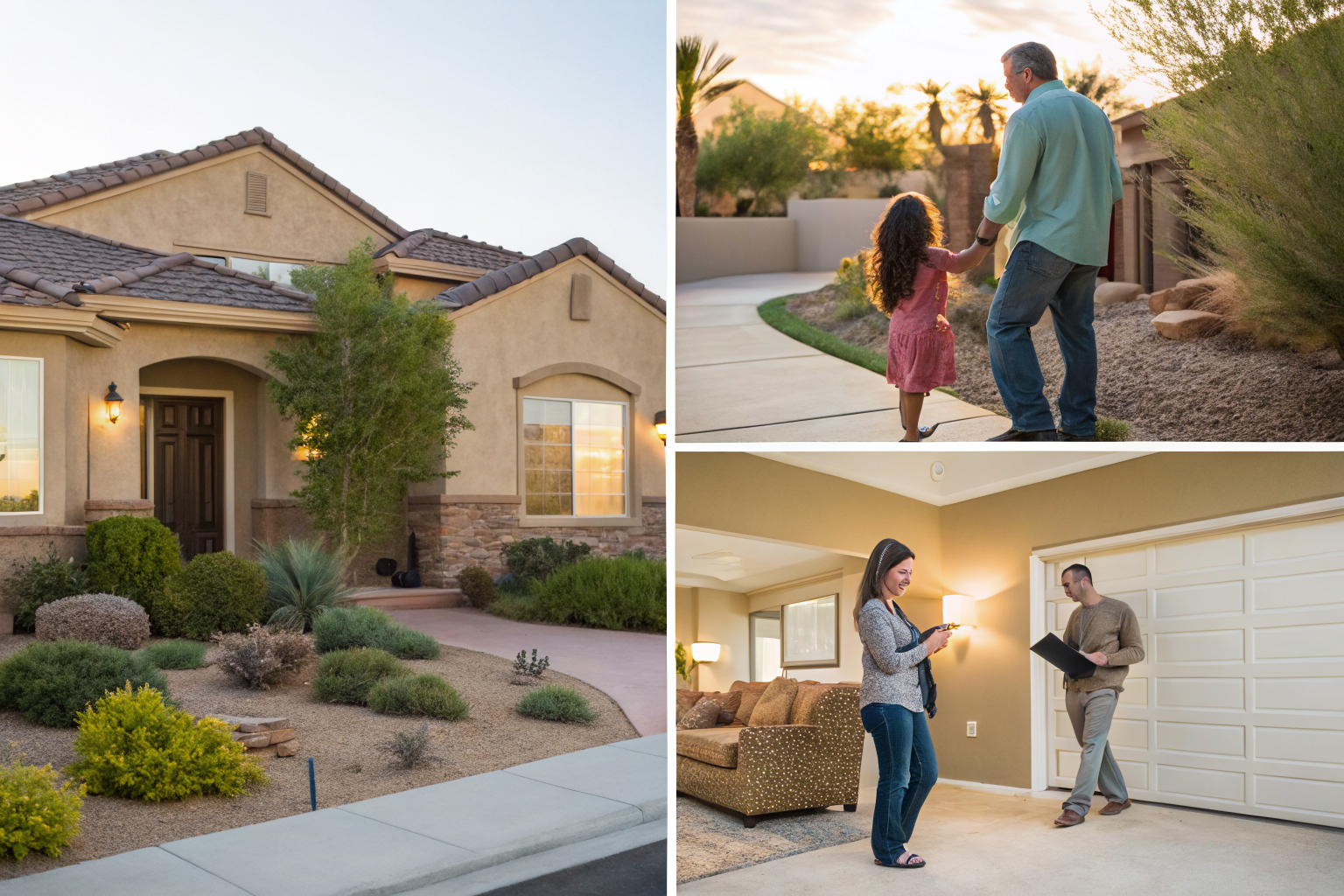
Arizona law requires certain coverage minimums, but minimums and adequate coverage aren’t the same thing. The right answer depends on who you are and what you own. Here’s a situation-by-situation breakdown.
Owner-occupier homeowner. You need an HO-3 policy with replacement-cost coverage on the structure, not actual cash value (ACV), which pays depreciated value and often leaves a significant gap at rebuild time. Your Coverage A limit should reflect what it costs to rebuild your home from the ground up in your area, not what it would sell for. Construction costs in the Phoenix metro have shifted enough in recent years that a limit set five years ago may be materially short today. Review the weather deductible percentage at every renewal.
Condo owner. You need an HO-6 policy. The HOA master policy covers the building structure and common areas, but in most Arizona associations governed under ARS 33-1201 (the Arizona Condominium Act), coverage stops at the unit walls. Your flooring, your cabinets, your interior plumbing, your personal belongings, those are your responsibility. Loss assessment coverage is the add-on that pays your share of repair bills the HOA levies against individual unit owners when master policy proceeds fall short. Most condo owners don’t carry it until after the first assessment.
Driver in Arizona. ARS 28-4009 sets Arizona’s minimum auto liability at 25/50/15: $25,000 per person for bodily injury, $50,000 per accident, $15,000 for property damage. Arizona law → requires → those minimums as a floor, but those numbers are dangerously insufficient for most Phoenix-area accident scenarios. A serious multi-vehicle accident in a suburban intersection can produce medical bills, lost wages, and property damage that exceed the per-accident cap before the second ambulance arrives. Under ARS 20-259.01, carriers must offer uninsured motorist protection in writing, you can decline it, but you have to do so knowingly. Most people don’t know they declined it. For a full breakdown of what happens after an accident, the Arizona car insurance claim payout process has details worth knowing before you need them.
Motorcycle rider. Arizona’s year-round riding season means your exposure doesn’t compress into a few summer months the way it does for riders in northern states. ARS 28-964 requires helmets only for riders under 18. Adult riders can and do ride without helmets, which changes the medical cost exposure in a serious crash. Uninsured motorist coverage matters as much here as it does for car drivers, and the same ARS 20-259.01 offer requirement applies.
Short-term rental host (Airbnb or VRBO). AirCover, the protection program offered through Airbnb, is not an insurance policy. It doesn’t replace your homeowners coverage, and it doesn’t satisfy a lender’s insurance requirement. Most standard HO-3 policies contain entrustment exclusions that void coverage for damage caused by a paying guest, the argument being that you handed over your property voluntarily. ARS 9-500.39 preempts local municipalities from banning short-term rentals statewide, but that statute creates no insurance coverage. If your policy doesn’t say “short-term rental,” you may not be covered.
Snowbird or vacant-home owner. Standard HO-3 forms restrict or void coverage once a home sits unoccupied for 30 to 60 consecutive days, depending on the carrier and policy form. This is the vacancy clause, and it catches snowbirds who assume their policy runs through the winter while they’re in another state. Coverage gaps during vacancy can affect both property claims and liability claims. Ask your producer what your specific form says before you leave.
Small-business owner. At minimum: a Business Owners Policy (BOP), workers compensation coverage, and commercial auto if any vehicle is used for business. Cyber coverage is not a luxury if you store customer data, under ARS 18-552, Arizona businesses face a 45-day breach notification deadline and potential civil penalties up to $500,000. Most standard BOP and general liability policies contain cyber exclusions that most business owners have never read. Consider that a gap worth closing before an incident, not after.
For each of these situations, consulting a licensed Arizona producer before a claim, not during one, is the most effective way to avoid the surprise that brought most people to this page.
The Underwriting Realities That Make Arizona Hard to Insure
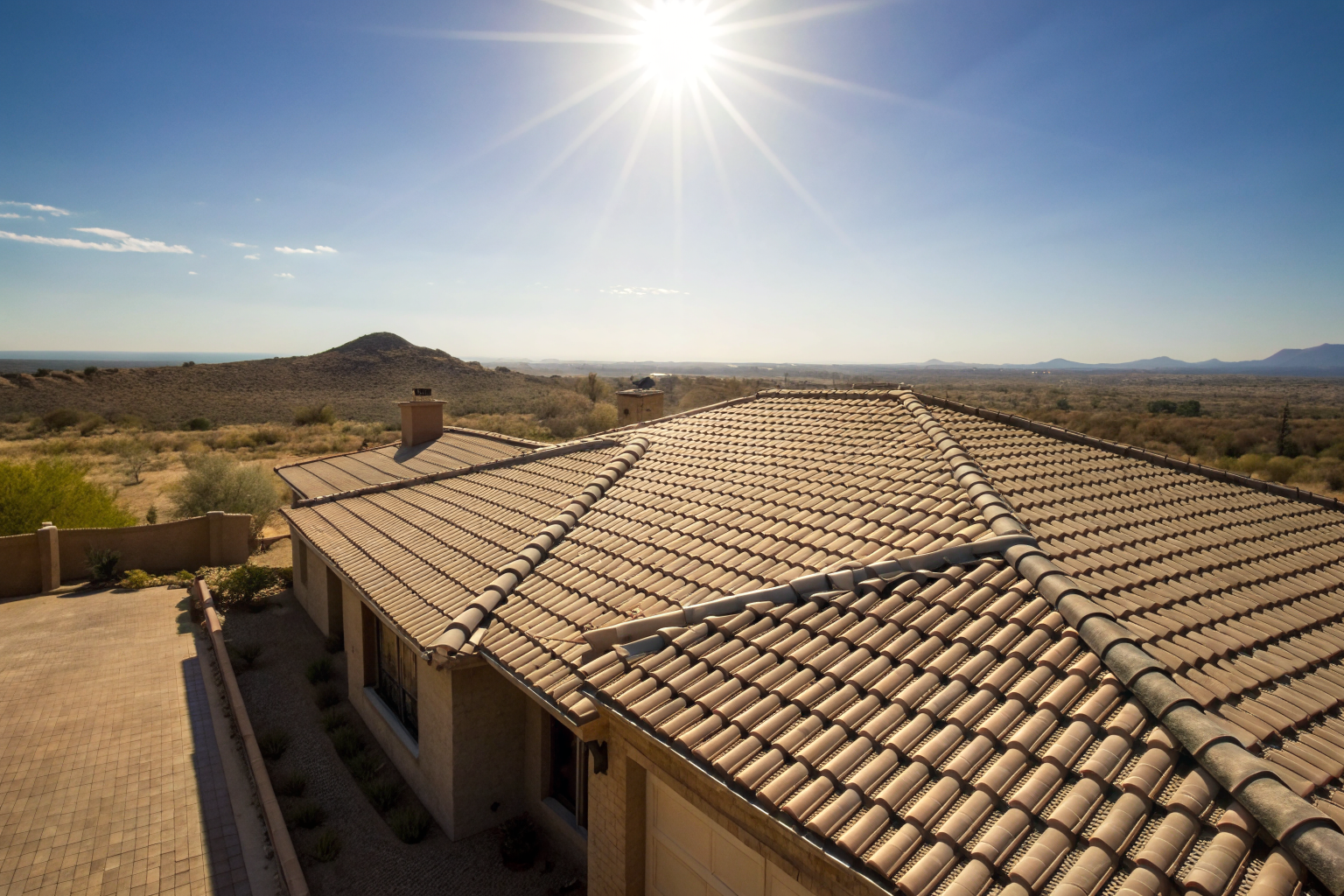
The premium increases and non-renewal notices that feel arbitrary to Arizona homeowners aren’t random. They follow a logic that carriers apply consistently, even when they don’t explain it clearly. Understanding that logic helps you take action before the letter arrives.
Roof Age Is Not a Cosmetic Issue
Tile roofs in Arizona look permanent. They aren’t. The tiles themselves can last decades, but the underlayment beneath them, the waterproof membrane that actually keeps water out, has a typical lifecycle of 20 to 25 years. When that membrane fails, the tile above it doesn’t show visible damage. Water gets in anyway.
Carriers know this. Roof age underwriting in Arizona means carriers apply a 25–50% age surcharge to homes with roofs over 20 years old, and some carriers won’t write the risk past a certain age threshold regardless of the premium. Replacing an aging roof eliminates that surcharge entirely. The roof age question on your homeowners application isn’t formality; it’s the number that determines whether a carrier will quote you and at what cost.
The disconnect between visible condition and underwriting risk is where most homeowners get caught. A tile roof that looks fine from the street may be flagged in a carrier inspection as a material risk. That inspection can trigger a non-renewal even on a policy with no claims history.
For a detailed breakdown of how roof age affects your premium and coverage options, the roof age and homeowners insurance in Arizona picture is more granular than most renewal notices explain.
The Replacement Cost Gap
Coverage A is supposed to reflect what it would cost to rebuild your home from the foundation up, not what it would sell for in the current market. Market value includes the land, the neighborhood, the school district. Rebuild cost is strictly labor, materials, and permits in your zip code.
In Arizona, construction costs shifted materially after 2020 and haven’t fully corrected. A homeowner who set their Coverage A limit in 2018 based on a replacement cost estimate that made sense then may be carrying a limit that’s 20–30% short of actual rebuild cost today. The carrier won’t flag this for you at renewal. The home insurance cost in Mesa, Arizona and across the Phoenix metro reflects current build costs, your Coverage A limit may not.
The practical check: ask your producer to run a current replacement cost estimate on your address before the next renewal. If the number is materially higher than your current Coverage A limit, you’re carrying a gap.
Solar Disclosure Is a Material Misrepresentation Risk
A typical Arizona home solar installation runs $40,000 to $60,000, and most insurance policies haven’t been updated to reflect it. That’s not a small oversight. A solar system changes your roof load, your electrical panel, your rebuild cost, and potentially your fire risk profile, and if your carrier wasn’t told about it, they have grounds to dispute a claim involving the system or the roof it sits on.
The hidden water damage endorsement in Arizona and solar disclosure are both examples of the same pattern: the carrier underwrote your policy based on information they had, and the information was incomplete. Annual review hygiene, specifically, confirming your carrier knows about any significant changes to your property, is what closes that gap before a claim opens it.
Monsoon Season and the Deductible Structure
The AZ monsoon season runs June through September, per NOAA and the National Weather Service. During that window, the same storm system can produce wind-driven rain, hail, and surface flooding in a single event. Carriers file separate deductible structures for different types of damage, your wind/hail deductible (the 1–5% weather figure) is distinct from your standard flat deductible, and ground-water flooding isn’t covered by either.
The practical implication: after a monsoon event, the deductible that applies depends on how the damage happened, not just that a storm caused it. A claims adjuster will distinguish between wind-entry water and ground-entry water, and the deductible and coverage outcome can differ for damage that looks identical from inside the house.
When You Can’t Get Coverage in the Admitted Market
Per ARS 20-1652, carriers must provide written notice before non-renewing a policy. When that notice arrives, DIFI Consumer Services is the first escalation point, they handle complaints, can investigate whether the non-renewal was proper, and can direct homeowners toward available options. Arizona has no FAIR Plan. The surplus lines market, non-admitted carriers not bound by standard DIFI rate filings, is the practical alternative when admitted carriers won’t write the risk. A producer with access to multiple carriers can reach that market; a single-carrier agent cannot.
How Does the Arizona Non-Renewal Process Work, and What Can You Do About It?

ARS 20-1652 requires written non-renewal notice from carriers before terminating a homeowners policy, that requirement gives policyholders a defined window to act. The window matters. Waiting until coverage lapses is the most expensive mistake homeowners make in this process.
Here are the steps, in order:
Read the notice carefully and confirm the stated reason. ARS 20-1652 governs what carriers must communicate in a non-renewal notice. The stated reason shapes every option you have, roof age requires a different response than a valuation gap or a claims history issue. Don’t skim it.
Pull your CLUE report before you shop. A CLUE (Comprehensive Loss Underwriting Exchange) report from LexisNexis is the loss history document every carrier will check when you apply for new coverage. Errors on CLUE reports are common, and a falsely reported claim or an incorrectly listed loss date can affect every quote you receive. Request your report at the start of the process, not after you’ve been declined.
Contact DIFI Consumer Services if anything about the notice seems improper. DIFI’s consumer services division handles policyholder complaints and can investigate whether a non-renewal followed proper statutory procedure. Their online complaint portal and phone line are available through azinsurance.gov. If the carrier made a procedural error under ARS 20-1652, DIFI has authority to act.
Start shopping immediately, don’t wait for the deadline to pressure you. Replacement coverage in the admitted market can take time to bind, and surplus lines placements take longer. The notice window isn’t a countdown to panic; it’s your working window. Use it from day one.
Ask about the surplus lines market explicitly. Arizona has no FAIR Plan, so when admitted carriers decline to write a risk, the surplus lines market (non-admitted carriers operating outside standard DIFI rate filings) is the practical path. Not every agent has access to surplus lines markets, a producer with access to multiple carriers can reach that market when standard options are exhausted.
Address the underlying issue if you can. If the non-renewal reason is roof age, getting a licensed inspection and documenting underlayment condition can reopen admitted market options. If it’s a Coverage A valuation gap, updating the dwelling limit can do the same. Carriers sometimes re-quote risks that addressed the stated concern.
Do not let coverage lapse, under any circumstances. A gap in homeowners coverage can trigger lender-placed insurance (LPI), a policy your mortgage servicer purchases on your behalf that is more expensive than a standard HO-3 and offers you significantly less protection. LPI protects the lender’s interest, not yours. Even a surplus lines placement at higher cost is better than LPI.
One note outside the non-renewal path: if your premium jumped 25% or more at renewal without a non-renewal notice, that’s a separate signal worth reviewing. Carriers can raise rates at renewal without the same notice obligations that apply to non-renewals. The homeowners insurance non-renewal process in Arizona and a large rate increase are two different events governed by different rules, but both warrant a coverage review before the next renewal date.
This article is educational. Policy terms, statutory notice periods, and DIFI guidance can change. For advice specific to your policy, your property, and your current coverage situation, consult a licensed Arizona insurance producer.